October 7, 2026
Designing a kitchen that feels cohesive and striking comes down to how well your major surfaces interact with one another. Stone surfaces naturally command attention, serving as a primary focal point that sets the tone for your entire home design. Pairing the right wall tile with your surface choice can transform an ordinary space into a well-crafted visual highlight. When selecting tile materials, homeowners must consider color depth, surface texture, veining direction, and lighting to create a balanced environment. Working alongside professional fabricators ensures your chosen kitchen counters remain the star of the room while wall finishes provide seamless support. Following established design guidelines helps you navigate choices confidently, turning potential material clashes into a harmonious kitchen interior.
1. Let One Surface Take the Lead
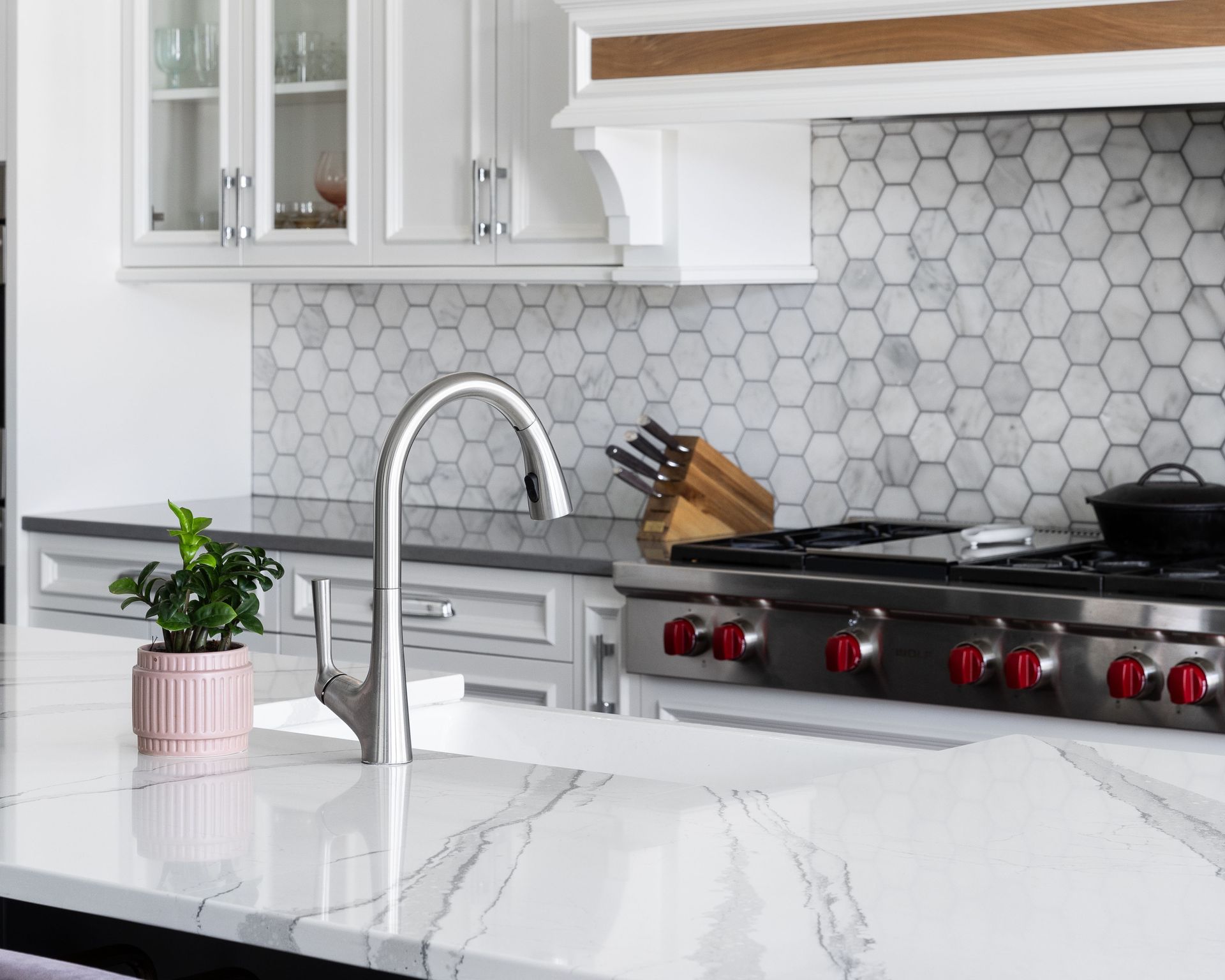
Every dynamic kitchen needs a dominant focal point to prevent visual clutter from overwhelming the eye. If your stone surface features dramatic sweeping veins, rich movements, or bold color variations, your wall tile should play a supporting role with simple colors and minimalist layouts. Conversely, if your surface material is quiet and uniform, you have room to experiment with intricate tile shapes, mosaic layouts, or bolder shades. Highlighting vibrant kitchen counters alongside overly busy tile patterns creates competing priorities that make the room feel chaotic rather than polished. Striking the right balance allows high-grade stone to showcase its natural beauty while maintaining overall harmony across the wall surfaces.
2. Match Undertones Before Picking Colors
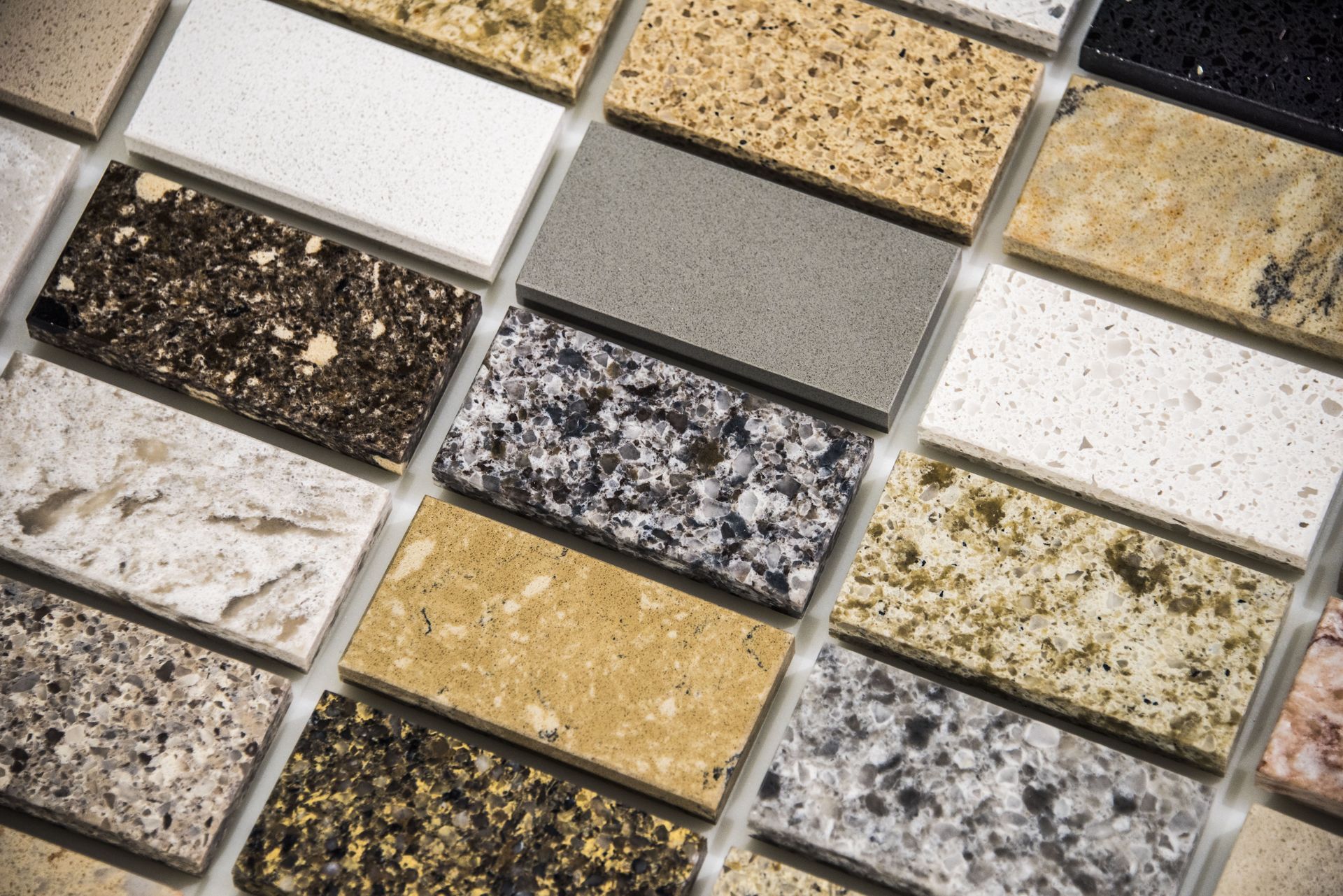
Color undertones play an enormous role in how finished installations feel under everyday room lighting. Stone surfaces often contain subtle gray, beige, gold, or green undertones that need to be matched thoughtfully with vertical tile glazes. Pairing cool gray wall tile with warm gold-veined kitchen counters can create an unsettling visual contrast that feels accidental. Taking material samples into your actual home lighting helps reveal these subtle warmth or coolness indicators before final installation decisions are made. A unified color temperature makes the transition from horizontal surfaces to vertical walls feel fluid and deliberate throughout the room.
3. Pull Accent Colors from Stone Veining
One of the easiest ways to guarantee a unified look is to pull a color from the subtle veining or mineral flecks within your stone. Rather than matching the primary background shade of your surface, choose a secondary tone found in the pattern to inspire your tile color. Selecting a tile that echoes those minor accent lines ties your kitchen counters directly to the vertical walls without feeling overly repetitive. This approach creates depth, drawing out the intricate natural details of the stone that might otherwise go unnoticed. The finished combination looks thoughtfully curated and tied together by natural movement.
4. Play with Textures to Add Depth
Texture provides visual interest without adding conflicting patterns or chaotic colors to your workspace. If you choose polished kitchen counters with a mirror-like sheen, pairing them with handmade Zellige tile, matte ceramic, or tumbled stone creates an inviting tactile contrast. The way light reflects off a glossy surface differs completely from how it is absorbed into a matte or textured back wall finish. Mixing surface finishes adds dimensional warmth that prevents sleek modern kitchens from feeling cold or overly clinical. Thoughtful textural contrast enriches the room's atmosphere while keeping the overall color palette clean and focused.
5. Consider the Full Height Backsplash Option
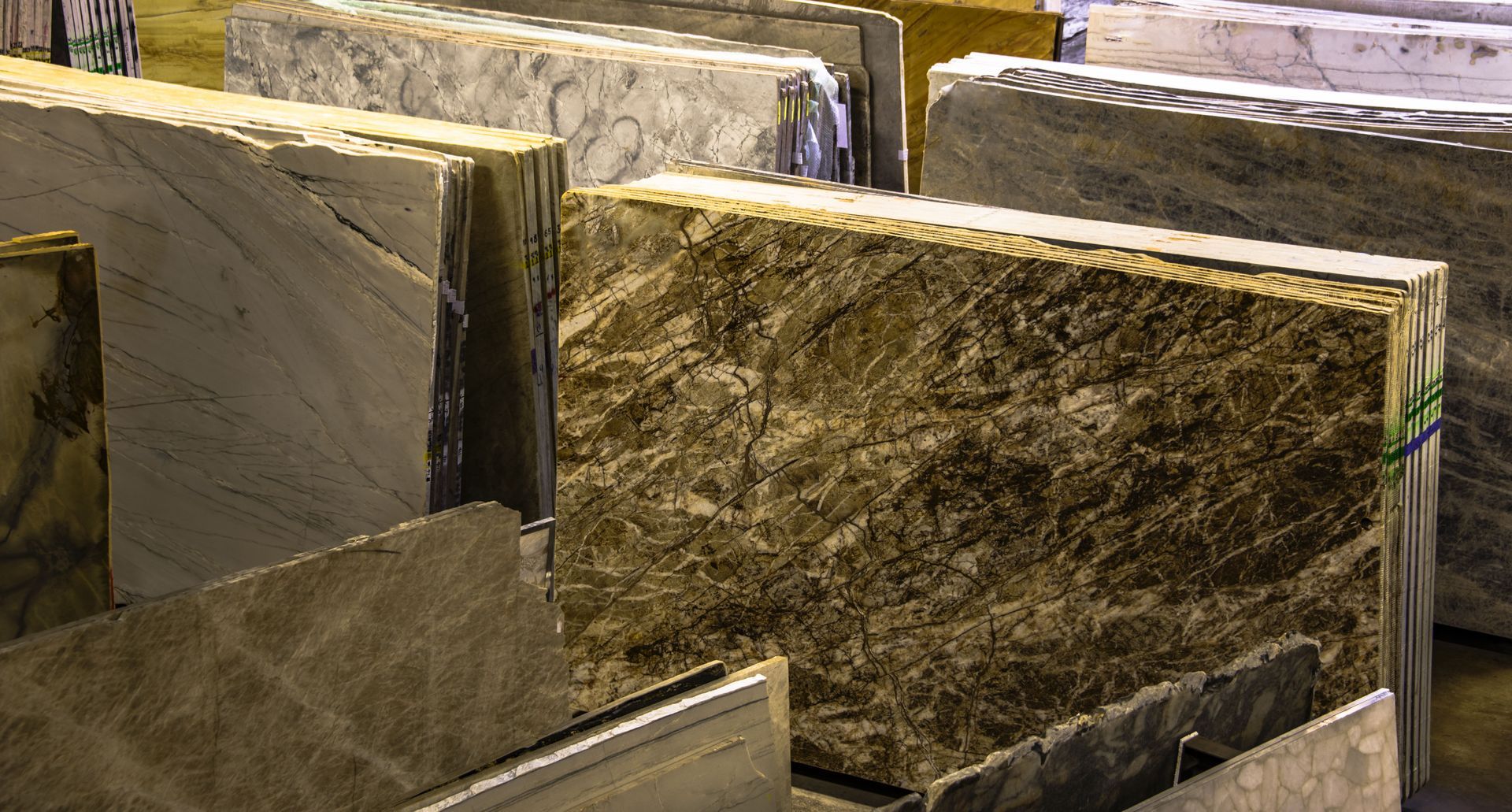
Extending your stone material continuously up the wall creates a seamless, luxurious aesthetic that completely eliminates tile grout lines. Using the exact same material for both your vertical walls and kitchen counters creates unbroken visual lines that make rooms feel taller and more expansive. According to Zillow, the ROI for a minor kitchen remodel in America averages 113%, making high-impact design choices like full-height stone slabs a smart investment for homeowners looking to elevate property value. Continuous stone installations highlight the full, uninterrupted movement of natural veining from the horizontal working plane right up to upper cabinetry.
6. Balance Pattern Scale and Tile Geometry
Tile size and shape dramatically influence how large or small your kitchen feels once installation is complete. When working with heavily patterned kitchen counters, choosing larger tile formats or classic subway layouts keeps the background clean and uncluttered. Small mosaic tiles or busy geometric patterns work wonderfully alongside solid or low-movement stones, where the wall can serve as the primary artistic feature. Aligning the scale of your tile geometry with the scale of your stone pattern prevents the surfaces from competing for attention. Proper scale balance keeps the kitchen looking structured, intentional, and proportional.
7. Factor in Grout Line Color and Maintenance
Grout lines act as a grid that can either blend quietly into the background or stand out as an independent design element. Choosing a grout color that closely matches your tile creates a smooth, continuous surface that lets your kitchen counters capture primary focus. Contrasting grout highlights tile shapes, creating a bold geometric network that demands visual attention on the wall. Beyond aesthetics, grout selection impacts long-term cleaning, as darker or well-sealed grout hides daily cooking splatters far better than bright white options. Coordinating grout tone with both tile and stone ensures long-term visual satisfaction and easier maintenance.
8. Account for Natural and Artificial Lighting
Lighting conditions shift throughout the day, altering how colors, glazes, and natural stone minerals present themselves to the eye. Under-cabinet LED task lighting highlights surface sheen and casts direct light across both wall tile and your kitchen counters. Natural sunlight entering from windows can wash out light shades or make dark stone surfaces look significantly deeper. Testing physical samples of both stone and tile under morning, afternoon, and artificial night light reveals how the materials interact across all hours. Planning for lighting variations prevents unexpected color shifts after everything is permanently installed.
9. Align Cabinet Finish with Stone and Tile Choices
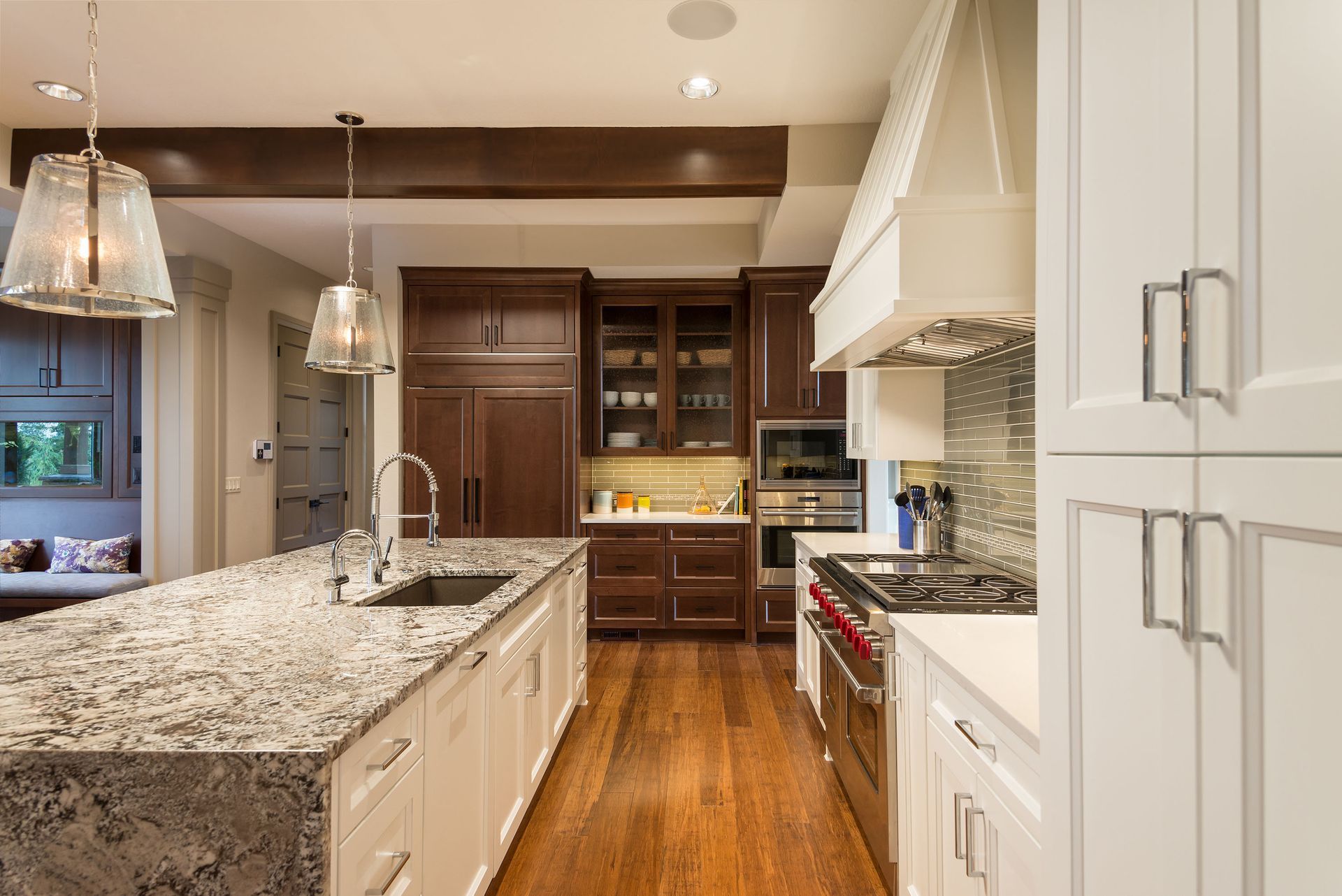
Backsplashes and countertops do not exist in a vacuum; they sit directly against upper and lower cabinetry finishes. The wood grain, stain, or paint color of your cabinets acts as the frame enclosing your stone and tile selections. Vibrant kitchen counters paired with bold wall tile can look overwhelming if your cabinets also feature heavy grain or bright colors. Ensuring your cabinet color bridges the gap between horizontal stone surfaces and vertical tile keeps the entire perimeter feeling cohesive. A well-chosen cabinet shade grounds the design and anchors the surrounding material choices.
10. Maintain Proportions Near Range and Sink Areas
The space above your stove or behind your main sink offers an opportunity to create a localized focal feature within your overall wall layout. Some homeowners choose framed tile medallions or vertical slab sections behind the cooktop while keeping surrounding walls simpler. When coordinating these focal points, ensure the design scales properly with your primary kitchen counters so the focal feature feels integrated rather than added as an afterthought. Clean transitions around range hoods and window frames keep the installation looking custom and sleek. Thoughtful spatial planning turns utility areas into high-end design highlights.
Pairing the right backsplash with stone surfaces requires balancing pattern, texture, lighting, and color undertones to achieve a unified look. By letting one key element lead and selecting complementary details, you create a timeless space that enhances your daily living experience. Beautiful kitchen counters deserve a thoughtful wall pairing that highlights their natural elegance and craftsmanship without adding visual clutter. Professional fabrication and guidance make selecting and installing these premium materials simple and rewarding. When you are ready to explore stone options and elevate your home's interior, contact Precision Stone to discuss your project and schedule a consultation.