September 8, 2026
Selecting the ideal surface for meal preparation and household gathering areas is one of the most critical design choices during a home renovation project. As the central focal point of daily culinary activity, surface materials must withstand intense daily use, liquid exposure, thermal variation, and potential physical impact. Homeowners often explore various material choices to balance aesthetic appeal with long-term functional performance. Among the most popular options available, engineered quartz, natural granite, and classic marble stand out as prominent material choices. Understanding how these materials compare in durability, maintenance requirements, and structural characteristics helps property owners choose kitchen countertops that complement their daily lifestyle and aesthetic vision.
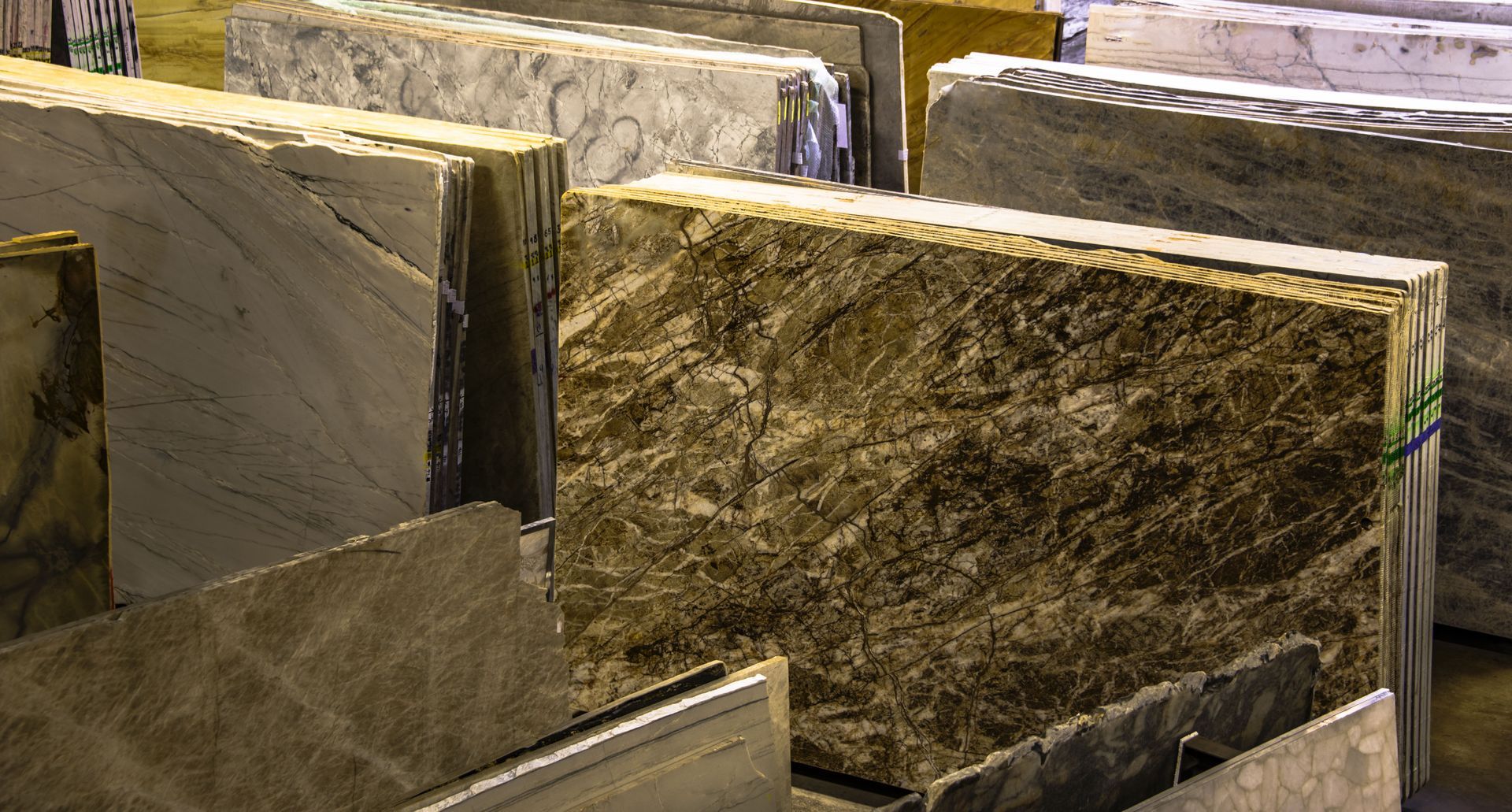
Every surface material possesses distinct physical properties shaped by its manufacturing process or geological formation. Natural stone options like granite and marble bring unique visual patterns and organic beauty into a living space, while engineered surfaces offer uniform consistency and engineered structural resilience. However, long-term satisfaction depends largely on how well a chosen material handles heavy wear, chemical contact, and routine maintenance. By evaluating the performance traits of each material option, homeowners can select kitchen countertops that remain attractive, functional, and structurally sound through years of continuous family activity.
Evaluating the Engineered Strength of Quartz Surfaces
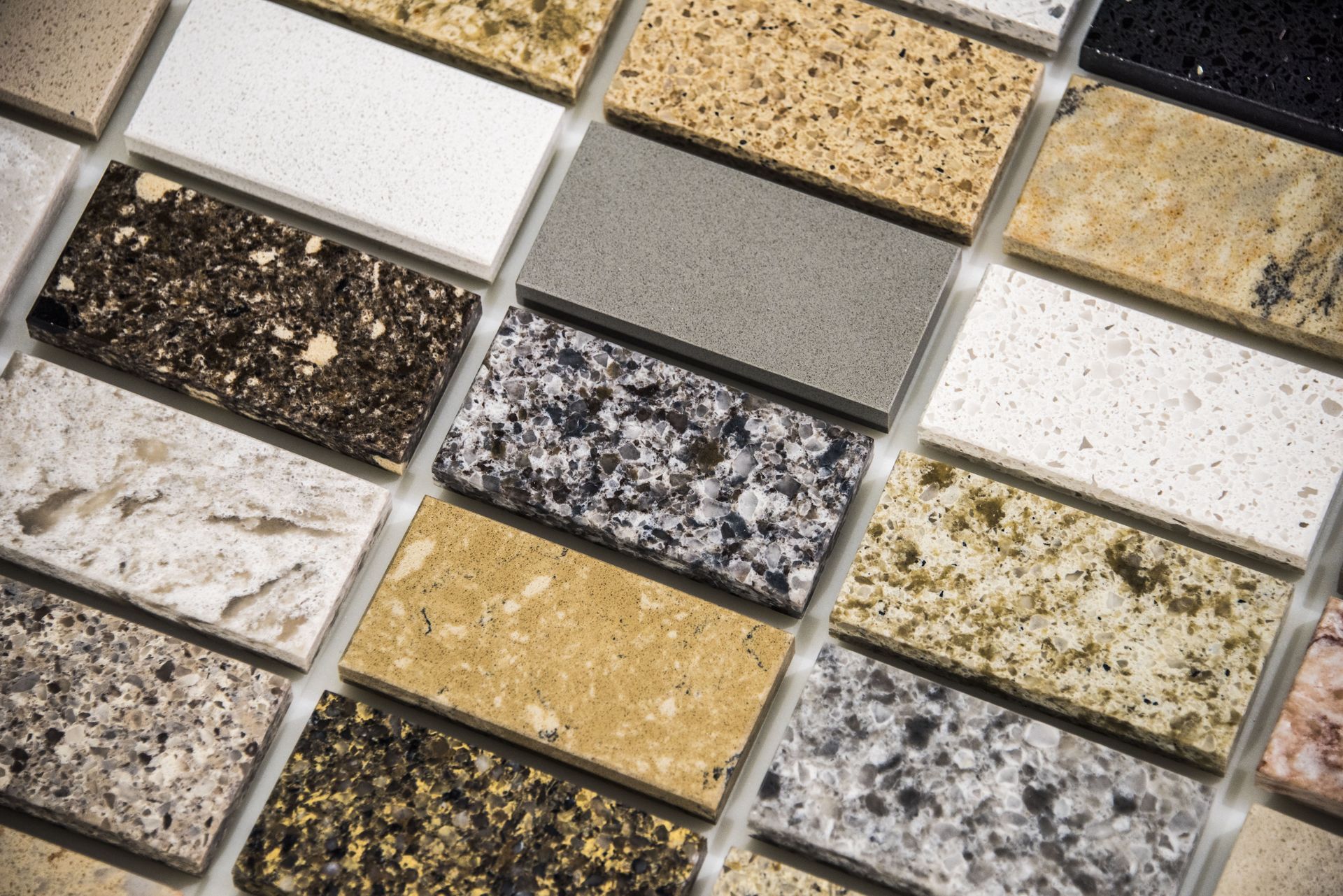
Engineered quartz has earned widespread acclaim due to its remarkable durability and low maintenance requirements. Formed by combining natural quartz crystals with high-performance resins and color pigments, this manufactured surface creates an exceptionally dense, non-porous material that resists cracking, chipping, and surface staining. Because the manufacturing process seals the composite tight, moisture, cooking oils, and colorful liquids cannot penetrate the interior matrix. This non-porous structure eliminates the need for periodic sealing, making daily cleanup straightforward using mild soap and warm water.
According to Real Simple, recent industry research reveals that 78% of surveyed respondents select quartz as their top material choice for surface installations. Beyond its impressive structural resilience, engineered surfaces offer remarkable design versatility with consistent color patterns and modern visual styles that mimic natural stone aesthetics. The non-porous surface also resists microbial growth and bacterial accumulation, creating a sanitary environment for food preparation. For busy households seeking long-term resilience without continuous maintenance demands, engineered quartz provides an exceptional option for high-traffic food preparation zones.
Examining the Natural Resilience of Granite Surfaces
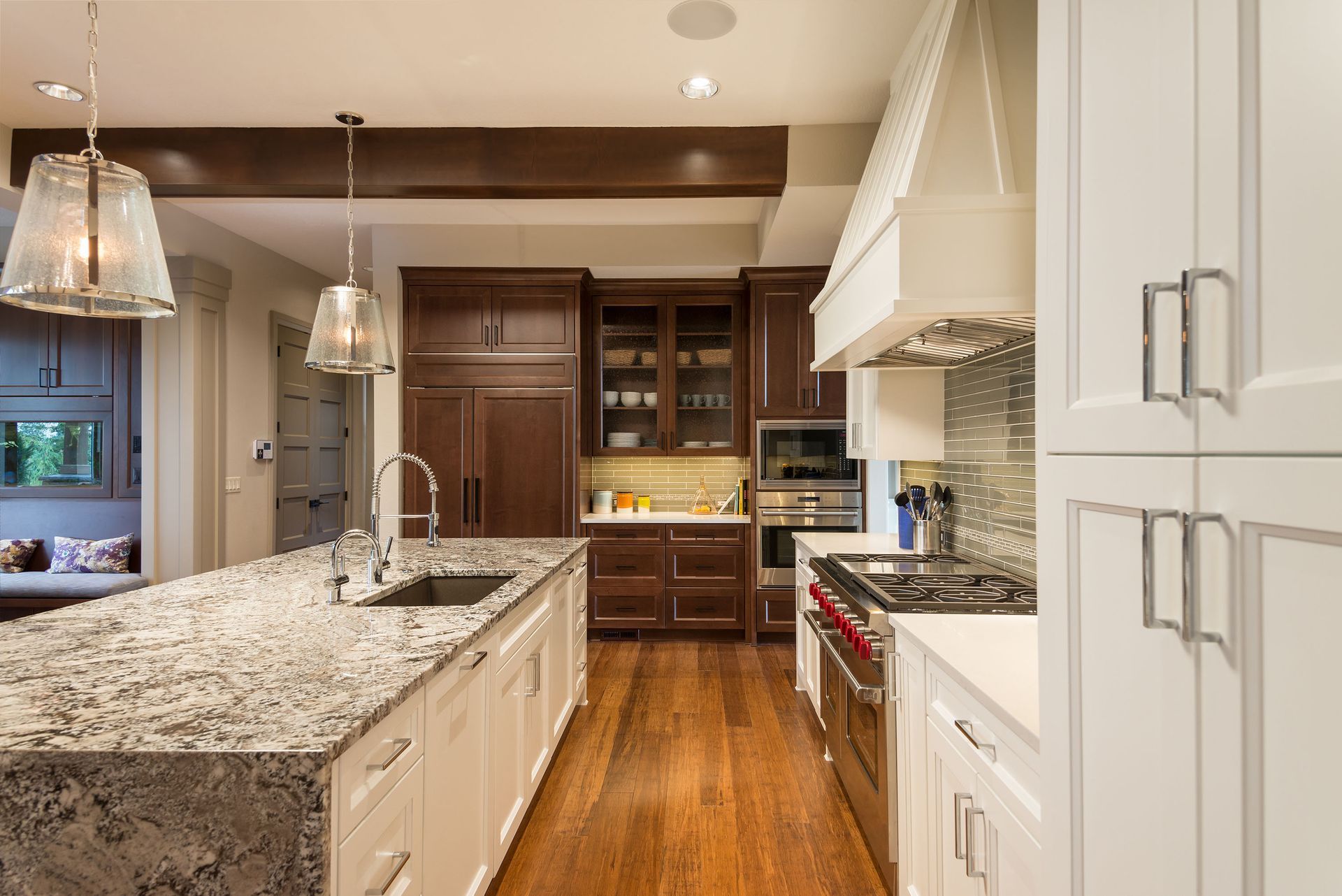
Granite remains a classic choice for residential installations due to its remarkable natural strength and distinct aesthetic character. Formed deep within the earth under intense geothermal heat and pressure, granite is an igneous rock composed mainly of natural quartz crystals, feldspar, and mica minerals. This natural formation endows granite with exceptional resistance to scratching, surface abrasion, and heat impact. Hot cookware placed directly on the surface rarely causes thermal damage, making granite ideal for active cooking environments where hot pots and pans are frequently moved across work areas.
However, because granite is an organic natural stone, it possesses a slightly porous microstructure that requires proper surface sealing to prevent liquid absorption. Applying a quality protective sealer shields the underlying stone against stubborn stains caused by dark liquids, cooking oils, or acidic food ingredients. With regular sealing and simple daily care, granite surfaces maintain their natural luster, vivid color depth, and structural integrity across generations. Property owners who appreciate one-of-a-kind organic stone patterns often favor granite when choosing kitchen countertops for their residences.
Understanding the Elegant Composition of Marble Surfaces
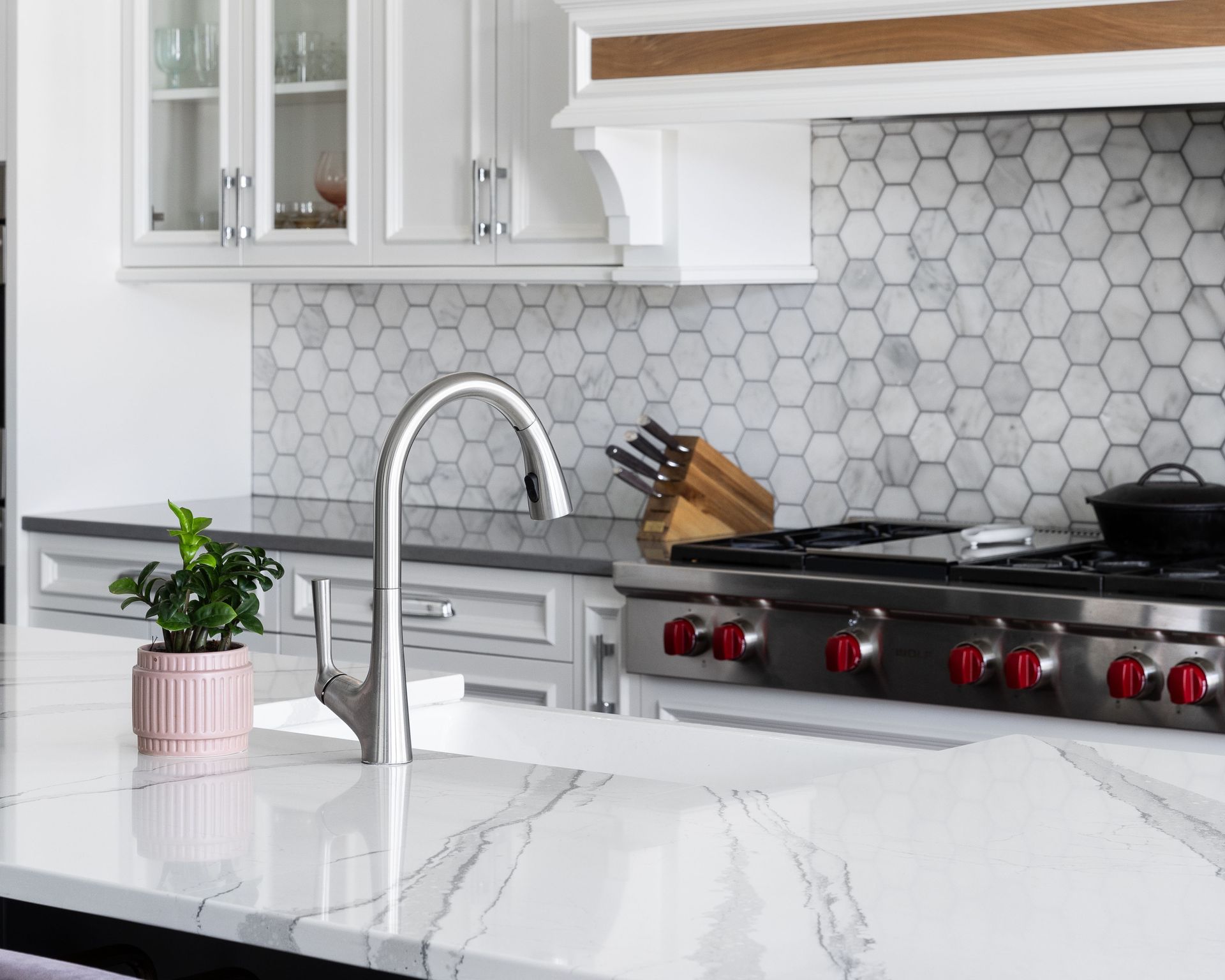
Marble is celebrated worldwide for its timeless elegance, smooth veining patterns, and classic architectural beauty. As a metamorphic rock composed primarily of recrystallized calcite minerals, marble offers a cool natural surface temperature that pastry chefs and baking enthusiasts particularly appreciate when rolling dough and preparing delicate culinary items. The distinct visual depth and soft tone variations of marble bring a sophisticated, high-end ambiance to any living space, creating a luxurious focal point that stands out in modern residential design.
Despite its breathtaking visual appeal, marble is physically softer and more porous than granite or engineered quartz. The mineral composition of marble makes it inherently susceptible to scratching from sharp cutlery and surface etching from acidic substances like citrus juices, vinegar, and tomato sauces. While protective sealers help minimize liquid penetration, marble requires cautious handling and prompt cleanup to prevent permanent surface marks. Selecting marble means embracing its evolving natural patina and unique character as part of its enduring charm over time.
Comparing Stain Resistance and Surface Porosity Traits
Stain resistance represents a primary consideration when evaluating surface materials for active food preparation areas. Engineered quartz leads the industry in stain resistance due to its synthetic resin binder system, which completely blocks liquids from entering the surface matrix. Spills like dark coffee, red wine, or cooking oil remain on the top surface where they wipe away easily without leaving permanent discoloration or ghost marks. This impervious quality makes engineered surfaces exceptionally user-friendly for households with active children or frequent entertaining schedules.
Natural stone options require a bit more vigilance regarding liquid spills and chemical exposure. Well-sealed granite resists stains effectively, but unsealed or improperly maintained stone can absorb dark liquids deep into its capillary channels over time. Marble requires the highest level of care, as even mild household acids can react chemically with the calcium carbonate structure, creating dull spots known as surface etching. Knowing how each material reacts to everyday spills ensures homeowners select kitchen countertops that fit their tolerance for routine surface maintenance.
Assessing Heat Endurance and Thermal Impact Performance
Thermal resistance varies significantly across quartz, granite, and marble, influencing how each material responds to hot cookware, baking pans, and thermal shock. Granite stands out as the most heat-tolerant option among these materials. Capable of withstanding high thermal exposure without scorching, cracking, or discolouring, granite handles direct contact with warm cookware exceptionally well. Marble also demonstrates solid heat resistance, although extreme temperature fluctuations can cause localized thermal stress over prolonged periods of continuous use.
Conversely, engineered quartz requires greater caution regarding direct heat exposure. The synthetic resin binders present inside quartz can react negatively to sudden thermal shocks, potentially leading to surface discoloration, dulling, or structural cracking if hot cookware rests directly on the material surface without protection. Utilizing trivets, hot pads, and protective boards shields engineered surfaces from thermal damage. Understanding these thermal limitations helps homeowners maintain the pristine appearance of kitchen countertops during intense cooking activities.
Maintaining Surface Appearance Through Proper Daily Care
Preserving the beauty and structural soundness of household surfaces relies on establishing appropriate daily care practices tailored to specific material characteristics. Engineered quartz demands minimal maintenance effort, requiring only routine wiping with warm water, mild dish soap, and non-abrasive cloths. Avoiding harsh chemical solvents, bleach, or abrasive scrubbing pads preserves the smooth factory sheen and prevents resin degradation over time. This low-maintenance profile ensures hassle-free operation for busy modern families.
Natural granite and marble require structured maintenance routines to protect their organic beauty and structural integrity. Granite benefits from routine reapplication of protective sealers to maintain its liquid barrier, alongside gentle cleaning using neutral stone care formulations. Marble requires specialized care, including immediate cleanup of acidic spills and gentle cleaning methods designed specifically for soft natural stone. Partnering with skilled stone professionals ensures that kitchen countertops receive appropriate treatment, maintenance guidance, and protective sealing over their long operational lifespan.
If you are ready for durable and beautiful kitchen countertops, contact us at Precision Stone today. We will help you compare high-quality materials, select the perfect stone options, and transform your home with expertly crafted installations.