January 5, 2026
Choosing the right kitchen counters involves navigating a complex array of materials, aesthetics, and functional considerations. This article explores common pitfalls homeowners encounter during this process and offers guidance on making informed decisions. It's important to delve deep into aspects such as lifestyle compatibility, cost implications, material suitability, accurate planning, maintenance considerations, and professional advice. Understanding how to harmonize all these factors will not only ensure a satisfying outcome but also prevent unforeseen issues in the future. Let's explore each critical area in detail to help you make well-rounded decisions when upgrading your kitchen space.
1. Neglecting to Consider Lifestyle Needs
The daily activities in your kitchen play a significant role in choosing suitable counter materials. For frequent cooks, surfaces that can endure high heat and resist stains are essential to prevent premature wear and tear. Conversely, if you rarely use your kitchen, the aesthetic aspect might take precedence, though it's vital not to neglect durability. Additionally, considering how often the kitchen is used can inform whether more robust materials like granite or quartz are needed. By evaluating your cooking habits, you'll better align your counter choice with functionality and longevity.
Not accounting for family dynamics is a common mistake when selecting counters. Households with children or pets require durable materials that can withstand scratches, spills, and other potential damage. For instance, counters with sealed surfaces can offer protection against common accidents, thereby maintaining their appearance and integrity. It's also wise to consider soft-edged designs that minimize injury risks for kids. By taking into account these family aspects, you ensure a kitchen surface that supports everyday life comfortably and safely.
Planning with foresight is essential; neglecting potential future changes can lead to regret. Your current family size or culinary interests might expand, requiring more counter space or different material characteristics. A couple without children now might not consider how growing a family could necessitate more resilient surfaces in the future. Preparing for these dynamics ensures that your kitchen counters serve both immediate and evolving needs. By foreseeing such changes, you optimize your kitchen's adaptability and usefulness. Did you know? According to the AIA Home Design Trends Survey, 42% more homeowners report increased natural lighting around kitchen counters.
Selecting a kitchen counter without considering your cleaning preferences can result in avoidable frustration. Some materials, like stainless steel or laminate, require less maintenance and are easier to clean, making them ideal for those who prefer a fuss-free cleaning routine. Others, like natural stone, may necessitate regular sealing and special cleaning solutions, appealing to homeowners ready for more effort in exchange for beauty. Understanding your willingness and ability to maintain different surfaces will guide you toward the most suitable choice. This pragmatic approach ensures you select a counter that harmonizes with your lifestyle rather than complicates it.
2. Focusing Solely on Cost
Placing primary focus on upfront costs without considering long-term investment is a frequent mistake. While budget constraints are real, choosing cheaper materials might lead to frequent replacements or costly repairs down the line. Understanding that higher-quality surfaces can save money in maintenance and repairs encourages investment in durable, reliable materials. Consider that durable choices like quartz or granite, though pricier initially, may be more cost-effective over time. This approach ensures that your kitchen investments are financially sound and sustainable in the long run.
The pursuit of savings can cloud judgment about quality, which is crucial for a lasting kitchen counter. While initial price points might sway decisions, cheaper materials often compromise on resistance to stains, scratches, or heat. Investing in quality ensures that your kitchen counters withstand daily challenges and maintain their appearance and functionality over time. A balance between cost and quality helps avoid premature wear and disappointed expectations. With quality as a priority, you secure a kitchen centerpiece that performs and captivates for years.
Considering the nuanced difference between cost and value is vital when selecting counters. Lower prices can be tempting, but frequently, higher-priced materials provide better value through longevity and performance. For example, engineered quartz offers a durable and versatile surface, worth its cost through prolonged lifespan and minimal upkeep. Prioritizing this balance means getting the best out of your budget, coupling affordability with lasting value.
Failing to factor in installation costs is a common oversight that can disrupt budgeting plans. Certain materials require specialized installation techniques, which add to the total expense. The overall investment should account for this, ensuring funds are available not only for materials but also for skilled installation services. Overlooking these costs can lead to financial strain or compromised installation quality. By accounting for professional installation, you safeguard the longevity and appearance of your chosen counters.
3. Inadequate Research on Material Options
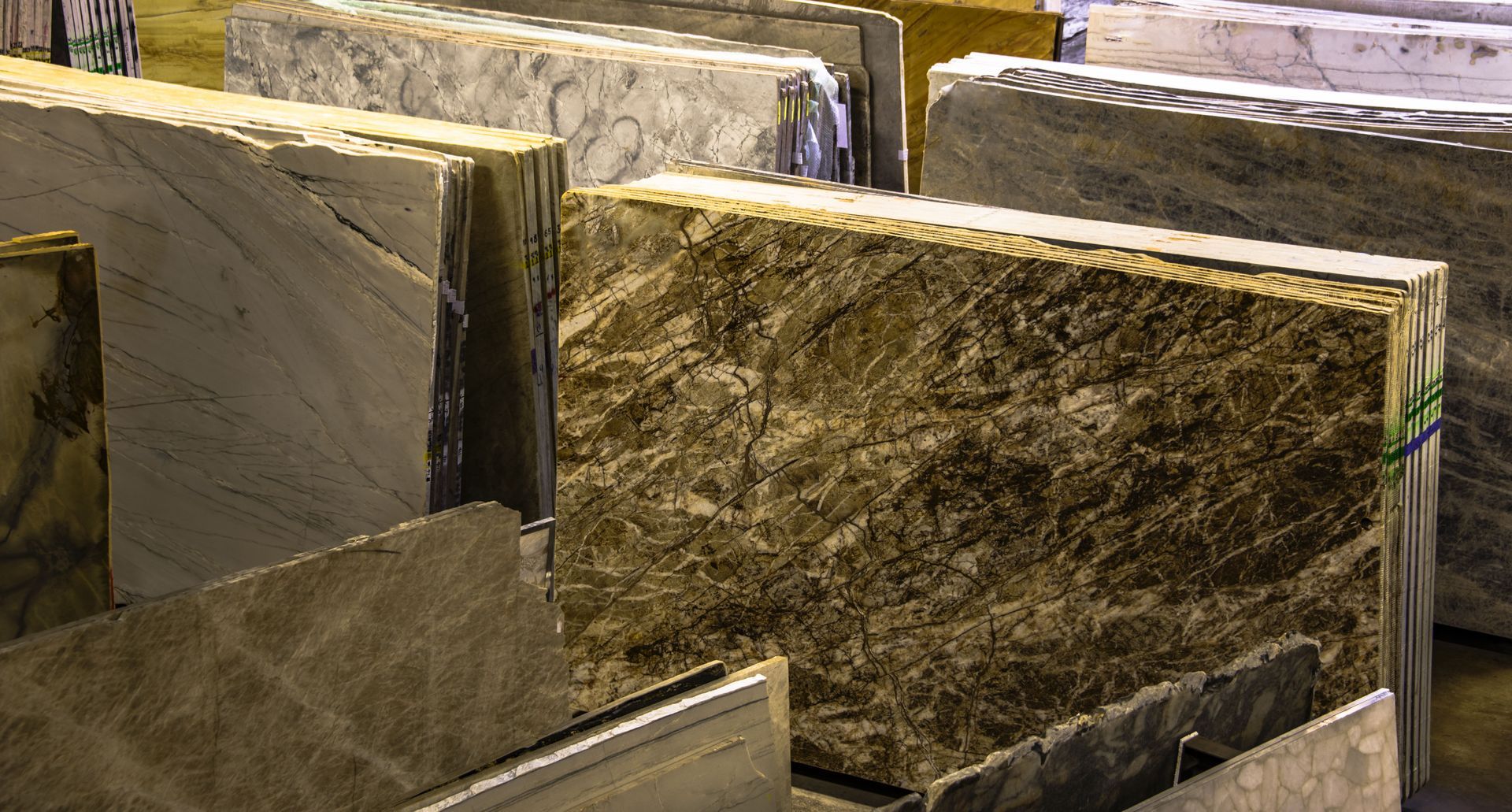
Sticking solely to traditional materials can result in missing innovative options that may better suit your needs. Materials like recycled glass or concrete offer unique benefits and aesthetic appeals, emerging as popular alternatives in modern renovations. Neglecting these advancements may lead to less optimal choices that don't leverage modern technology and design improvements. The market constantly evolves, producing materials with increased resilience and functionality. Engaging with these options widens your possibilities and may offer better solutions for your kitchen requirements.
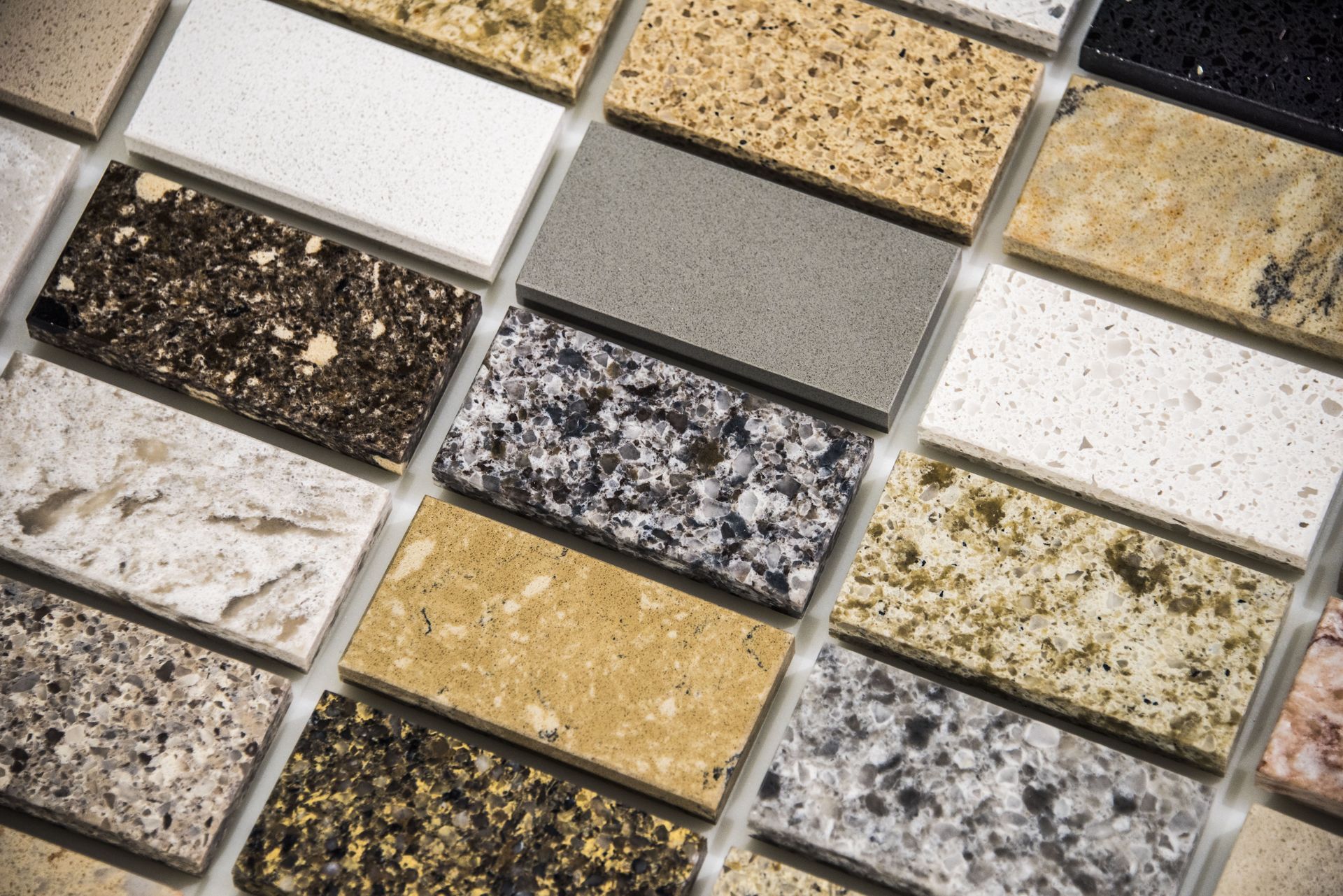
Engineered alternatives offer unique benefits that warrant thorough exploration. Materials like engineered quartz integrate natural and synthetic elements, enhancing durability and offering a wide range of styles. These options often provide superior features, such as enhanced resistance to impacts and stains compared to their natural counterparts. By venturing beyond conventional selections, homeowners can discover materials that perfectly align with both aesthetic and functional preferences. This broad perspective encourages well-informed choices that serve diverse needs effectively.
Overlooking the functionality of materials can hinder a kitchen's efficiency and longevity. Different materials offer distinct advantages in terms of heat resistance, scratch resistance, and maintenance needs. For example, natural stones like marble may require more care due to their susceptibility to staining, whereas porcelain provides robust resistance to various stresses. The functionality aspect should match the intended kitchen use to ensure that counters perform optimally under everyday demands. Emphasizing functionality in material selection enhances the kitchen's resilience against daily challenges.
Failing to appreciate the aesthetic range available in various materials limits design possibilities. Countertop materials today offer an extensive array of colors, textures, and finishes, allowing for personalized and unique kitchen designs. Engineered stones, for example, provide consistent patterns and color schemes suitable for contemporary styles. Ignoring this variety means potentially missing out on integrating beautiful, compatible elements that complement the kitchen's overall design. Acknowledging the aesthetic spectrum ensures that counters not only provide functionality but also elevate the kitchen's visual narrative.
Choosing the right kitchen counters is a decision that deserves careful thought and a balanced approach. By taking the time to evaluate lifestyle needs, homeowners can ensure their counters support daily routines, family dynamics, and future changes without unnecessary stress or compromise. Looking beyond initial price tags and focusing on long-term value helps prevent costly repairs or replacements, making the investment more financially sound over time. Thorough research into available materials—both traditional and modern—opens the door to options that better align with functional requirements, maintenance preferences, and design goals. When these factors are considered together, kitchen counters become more than just a surface; they become a durable, practical, and visually cohesive element of the home. Thoughtful planning, realistic budgeting, and an openness to professional guidance can transform what might feel like an overwhelming choice into a rewarding one. To learn more about kitchen counters, contact Precision Stone today!