February 9, 2026
Maintaining the beauty and functionality of your kitchen countertops is essential for both aesthetic appeal and practical use. Countertops come in various materials such as granite, quartz, marble, laminate, and butcher block—all of which have unique characteristics and care requirements. Keeping your countertops in pristine condition not only extends their lifespan but also enhances the overall appearance of your kitchen. Regular maintenance and proper cleaning techniques are vital to preserving their look and feel. This long-form article will provide you with comprehensive guidance on how to maintain different countertop materials effectively.
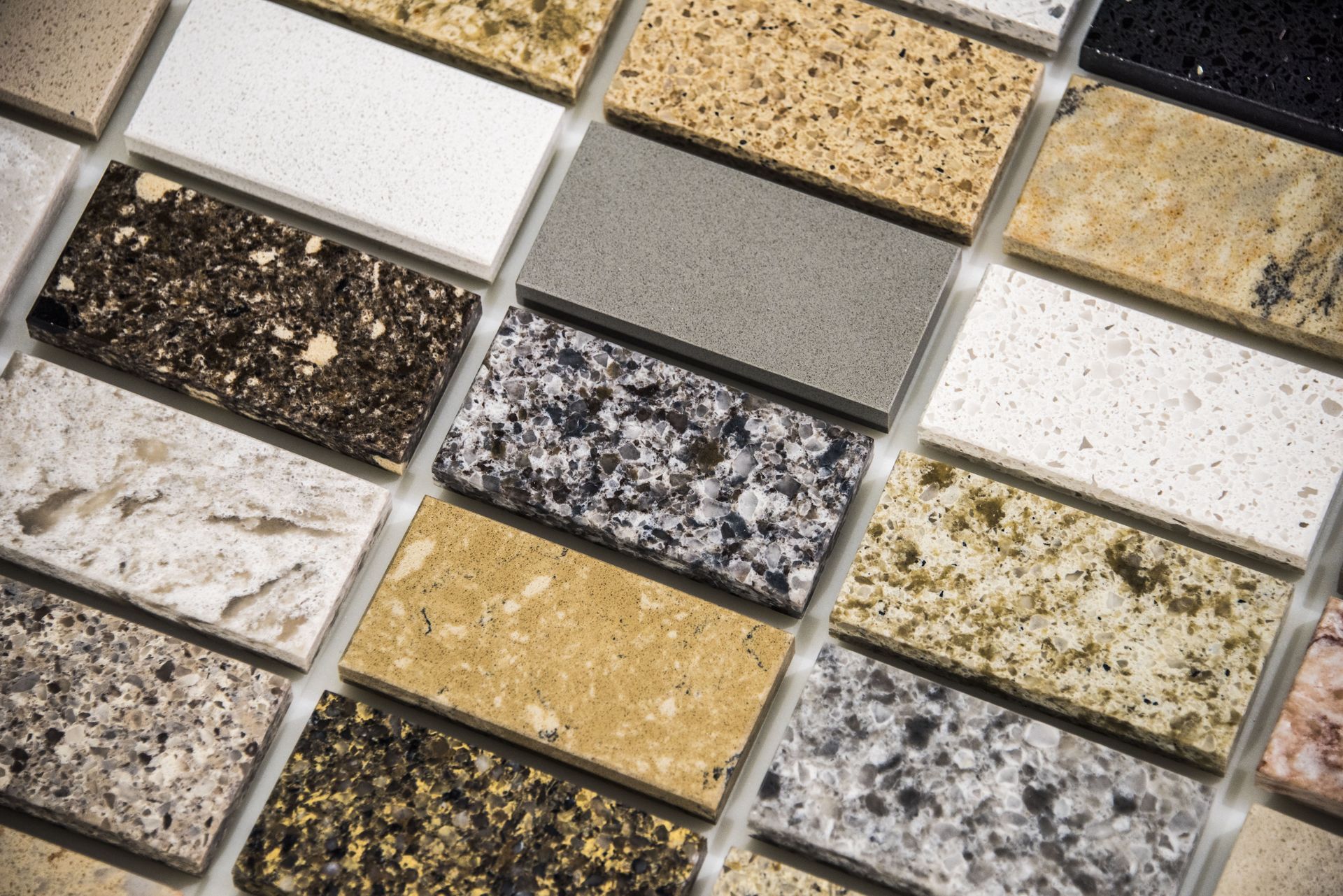
Understanding Countertop Materials
Granite
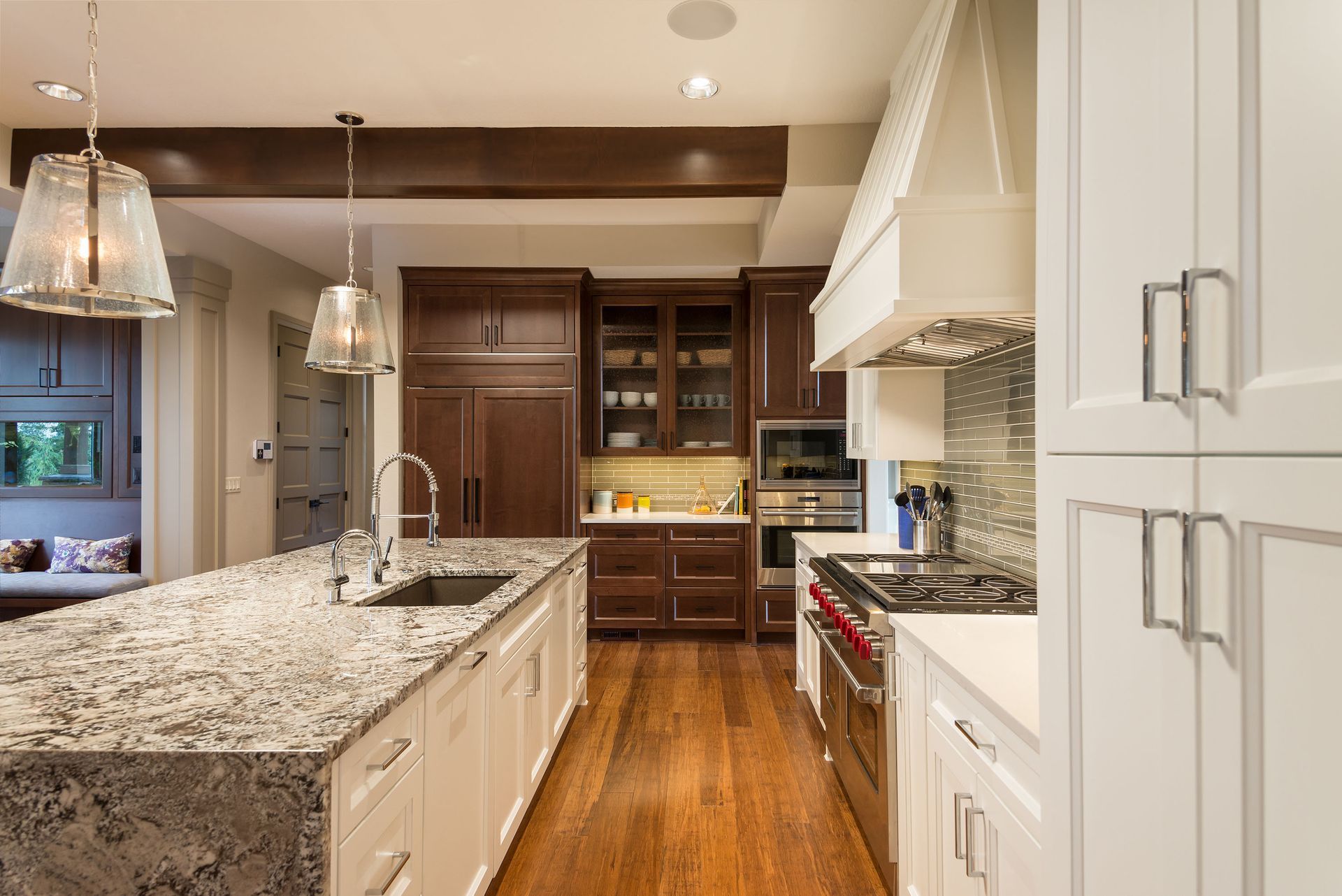
Granite countertops are admired for their natural beauty and durability. Due to their natural composition, each granite slab is unique, offering a variety of colors and patterns. It's important to maintain granite properly to preserve its shine and prevent staining. Regular sealing is recommended to protect its porous surface from absorbing spills that can lead to unsightly stains. Cleaning granite with mild detergents and avoiding abrasive cleaners will help maintain its glossy appearance.
Beyond its aesthetic charm, granite is known for its resilience and heat-resistant properties. However, despite its strength, it's still advisable to use trivets or mats under hot cookware to avoid potential damage. We've seen that sealing kitchen countertops every six months to a year will help create a protective barrier against moisture and stains. Daily cleaning should involve gentle wiping with a soft, damp cloth and a pH-balanced cleaner. Consistent care will ensure that this luxurious stone remains as stunning as the day it was installed.
Quartz
Quartz countertops are a popular choice for modern kitchens due to their versatility and durability. Unlike natural stones like marble or granite, quartz countertops are engineered using a combination of natural quartz and resin, giving them a non-porous surface. This feature makes them resistant to stains, scratches, and bacteria, providing a low-maintenance option for homeowners. According to This Old House, quartz countertops can handle temperatures of up to 400 degrees Fahrenheit, which speaks to their heat resistance, although it's still advisable to avoid placing hot pots directly on them.
When it comes to cleaning quartz countertops, it's best to use mild soap and water or a quality quartz cleaner. Harsh chemicals can damage the resin used to bind the quartz particles, so such products should be avoided. Using a soft cloth or sponge is recommended to prevent scratches and maintain the surface luster. Quartz's non-porous nature eliminates the need for sealing, which is a major advantage for homeowners seeking a long-lasting yet easy-to-maintain surface.
Marble
Marble countertops exude elegance and sophistication, making them a favorite for luxurious kitchen designs. Marble is a softer stone, which means that while it offers remarkable aesthetic appeal, it requires more careful maintenance compared to harder surfaces like granite or quartz. The stone is highly susceptible to staining and etching, especially from acidic substances like lemon juice or vinegar. Regular sealing helps to protect the marble surface from these elements, but caution is always advised.
To keep marble countertops looking their best, it's imperative to wipe up spills immediately and use a pH-neutral cleaner for daily maintenance. Marble's porous nature means it can absorb liquids if left unattended, leading to stubborn stains. Using coasters, trivets, and cutting boards can prevent direct contact with damaging substances. Regular polishing can help to maintain the stone's natural shine, enhancing its breathtaking appearance.
Daily Cleaning Practices
Choosing the Right Cleaning Products
Choosing the right cleaning products is essential for maintaining the integrity of your kitchen countertops over time. Specific materials require specific products to avoid unnecessary damage. For instance, granite and marble benefit from pH-neutral cleaners, which help maintain their seals and prevent dulling. Quartz surfaces do well with mild dish soap and water, eliminating the need for harsh chemicals that could damage the resin. Identifying the correct cleaner according to the countertop material will ensure long-lasting shine and cleanliness.
Avoid using acid-based cleaners or vinegar on natural stone surfaces such as granite and marble to prevent etching and dullness. For more delicate kitchen countertops, opt for gentle cleaners or soap and water to maintain their finish. Some commercial products specifically designed for certain materials can enhance the appearance and seal of the countertop. Using these thoughtfully can promote both cleanliness and preservation. Always read product instructions to ensure compatibility with your countertop material.
Wiping Techniques
Wiping techniques play a crucial role in preserving countertop surfaces. Always use soft, non-abrasive cloths or sponges to prevent scratches, especially on materials prone to etching or damage. Microfiber cloths are particularly effective as they can capture dust and residue without causing harm. Using warm water alongside mild cleaners ensures that dust and grease are effectively lifted from the surface without aggressive scrubbing.
Begin wiping from one end of the countertop and move in a consistent, circular motion. This technique helps avoid streaks and ensures even cleaning. It's also vital to avoid pooling water, as it can seep into seams and lead to issues such as swelling in laminate countertops or water damage in wood. Dry thoroughly with a microfiber cloth after cleaning to prevent water spots and maintain the countertop's natural shine.
Handling Spills Promptly
Handling spills promptly is crucial in preventing stains and preserving countertop surfaces. All countertop materials, especially those that are porous like marble and granite, require immediate attention when spills occur. Common kitchen substances such as oils, juices, and wines can cause lasting damage if not addressed quickly. Keep an absorbent cloth or paper towel readily accessible to blot the spill the moment it occurs.
For non-porous surfaces like quartz, while the risk of staining is less, it's still advisable to clean up spills immediately to maintain surface polish and avoid setting any particulates. Clean the spill site thoroughly with a mild cleaner and water to ensure no sticky residues are left behind. For porous materials, after blotting, consider applying a baking soda paste to lift any potential stains that may begin to develop.
Preventative Measures
Using Coasters and Placemats
Utilizing coasters and placemats is an effective preventative measure to protect kitchen countertops from rings, stains, and heat marks. For materials such as wood and laminate, protecting against moisture and heat is crucial, as they're prone to quick damage under direct exposure. Coasters under glasses and mugs prevent water rings from forming and safeguard against heat emitted from hot drinks or containers.
Similarly, placemats act as a buffer between serving dishes and the countertop, especially when dealing with hot pots and pans that might cause thermal shock or scorch marks. These protective accessories help in dispersing heat and moisture, thereby maintaining the countertop's finish. Their placement is a simple yet potent measure to uphold the beauty of each surface type, from natural stone to engineered alternatives.
Cutting Board Necessity
The necessity of cutting boards in kitchens should not be underestimated. Directly slicing or dicing on kitchen countertops can lead to scratches and even tiny cuts, particularly for softer materials like butcher block and laminate. For natural stone surfaces, while they are more resilient, repeated knife activity can lead to dull spots and potential surface damage.
A dedicated cutting board provides a safe surface for food preparation, protecting the countertop from the force and sharp edge of knives. It also contributes to better hygiene, preventing bacterial cross-contamination that might occur if remnants of raw food come into direct contact with the countertops. Using a cutting board ensures your worktop remains scratch-free and retains its polished look longer.
Avoiding Direct Heat
Direct heat exposure is a common source of damage to kitchen countertops, making its avoidance a key preventative strategy. While materials like quartz can withstand a degree of heat, it's always safer to avoid direct contact with hot elements like pots and pans. Remember that even heat-resistant countertops have limitations and can be subject to thermal shock, leading to cracks or discoloration over time.
The use of trivets or heat pads is advocated to bridge the gap between hot cookware and countertop surfaces. These tools absorb and disperse heat, protecting the surface below from marks or cracking. For laminate and wood surfaces, the risk of damage from high temperatures is considerably higher, emphasizing the need for consistent use of heat-safe tools.
Ultimately, understanding your countertop material and following proper care practices empowers you to protect your investment for years to come. By staying proactive and attentive, you'll enjoy cleaner surfaces, fewer repairs, and a kitchen that remains attractive, practical, and ready for everyday life. Reach out to Precision Stone today, and we'd be happy to keep your kitchen countertops looking amazing.