April 3, 2026
Kitchen design continues to evolve as homeowners prioritize both visual impact and everyday performance. What was once a purely functional surface has become a defining feature that shapes how the entire space looks and works. Today’s kitchen counters reflect a balance of durability, customization, and innovation, offering more options than ever before. From material selection to integrated features, the latest trends show how thoughtful design can elevate the kitchen experience.
1. Embrace Sustainable Materials In Modern Design
Sustainability has become a major influence in how we approach kitchen counters, with more homeowners choosing materials that reduce environmental impact without sacrificing performance. Recycled glass surfaces are a standout option, combining post-consumer materials with resins or concrete to create a durable, visually dynamic finish. Bamboo has also gained traction as a renewable resource that offers a clean, contemporary look while being more eco-friendly than traditional hardwoods. Reclaimed wood adds character and history, transforming salvaged materials into surfaces that feel both intentional and distinctive.
Concrete has also evolved into a more sustainable option with the inclusion of recycled additives like fly ash, improving both strength and environmental impact. Solid surface materials made with natural minerals and bio-based resins provide seamless designs that are easy to maintain and highly adaptable. These solutions allow us to deliver kitchen counters that align with modern environmental priorities while maintaining long-term value. As demand grows, sustainable materials are becoming a standard rather than a specialty.
Choosing eco-conscious materials also supports longevity, which is a key factor in reducing waste over time. Many of these surfaces are engineered to resist wear, minimizing the need for replacement or repairs. This makes sustainability not just a design choice, but a practical investment. As more homeowners prioritize responsible sourcing, the market will continue expanding with new and improved options.
2. Incorporate Innovative Textures And Finishes
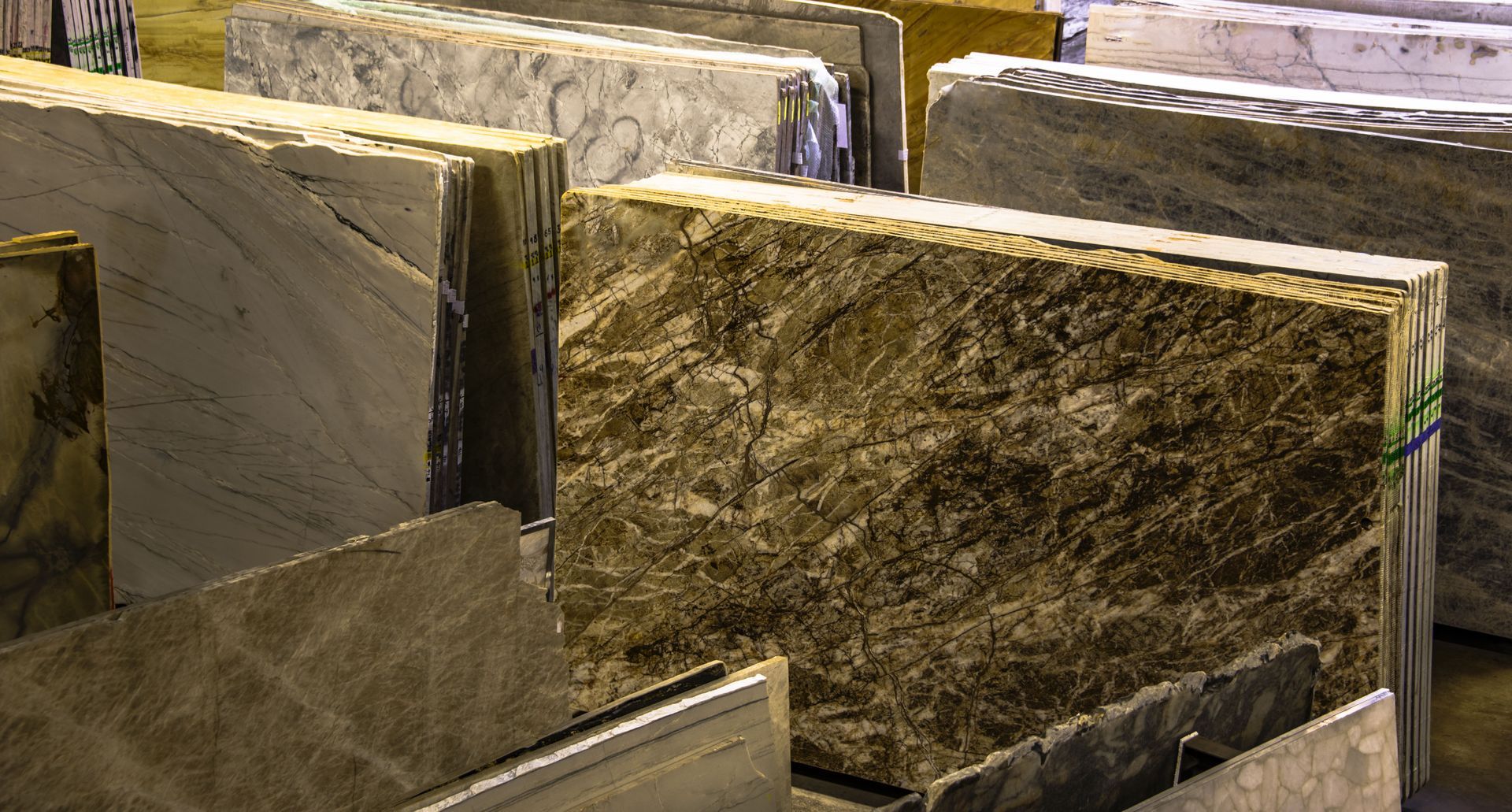
Texture and finish play a critical role in defining the overall look and usability of kitchen counters. Matte finishes have become increasingly popular for their ability to soften the appearance of a space while reducing the visibility of fingerprints and smudges. Leathered stone offers a subtle texture that enhances natural patterns without the high gloss of polished surfaces. These finishes create a more relaxed, tactile experience while maintaining durability.
Other options, such as honed granite or flamed surfaces, introduce depth and variation that can make countertops feel more customized. Brushed metal surfaces bring a sleek, industrial edge that works well in modern or urban-inspired kitchens. At the same time, hand-finished wood accents introduce warmth and contrast, helping balance harder materials like stone or metal. This mix of textures allows for more layered and intentional design.
Functionality also improves with the right finish, as certain textures provide better grip and resistance to wear. This is especially valuable in high-traffic kitchens where performance matters just as much as appearance. By selecting finishes that align with how the space is used, we ensure the design works as well as it looks. Texture is no longer just a visual detail—it’s a key part of how kitchen counters perform daily.
3. Introduce Bold Color Choices Strategically
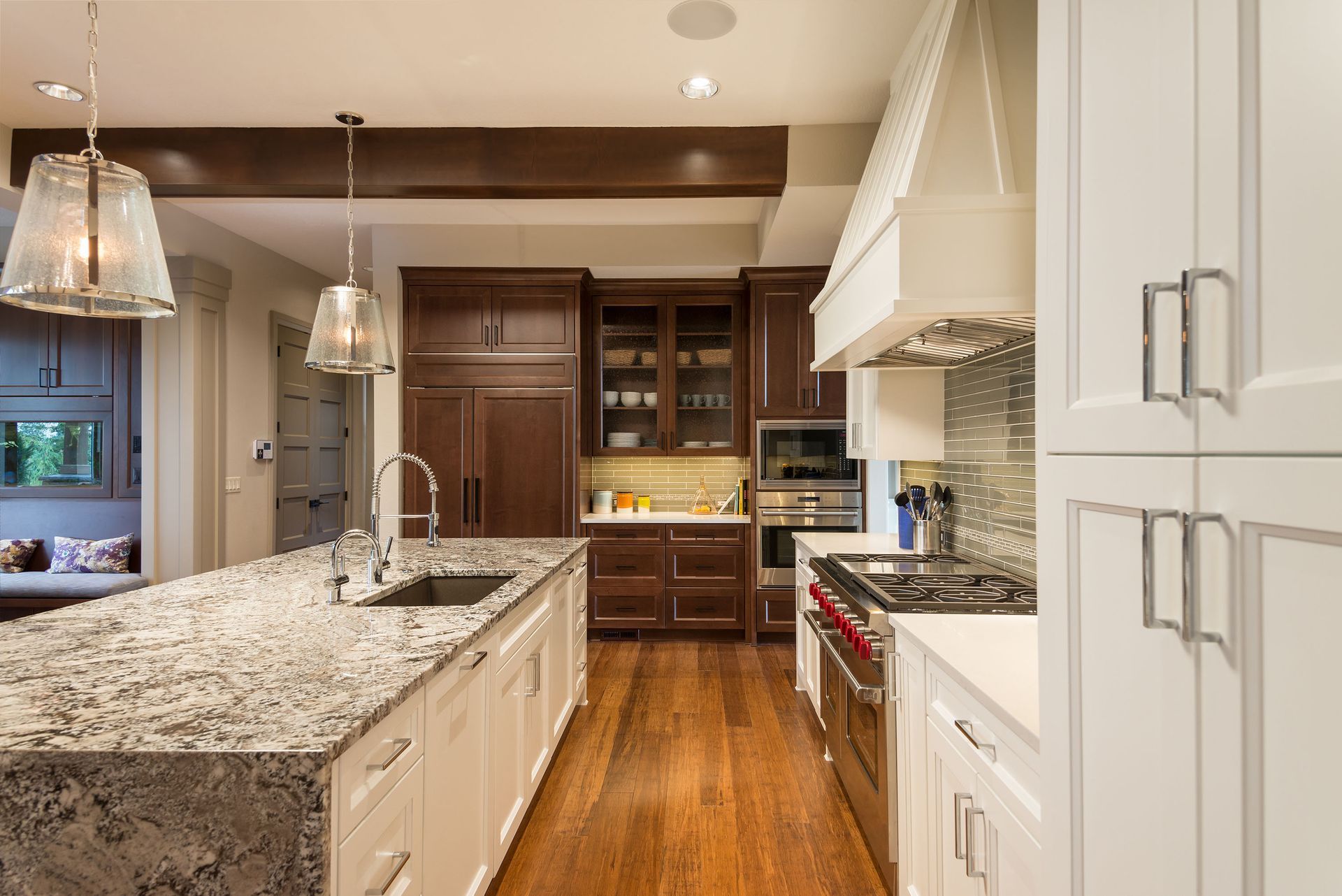
Color is becoming a more prominent design element in kitchen counters, offering new ways to personalize the space. Deep tones like navy, charcoal, and forest green create a sense of depth and sophistication, especially when paired with lighter cabinetry. These colors can anchor the kitchen and serve as a focal point without overwhelming the design. On the other end of the spectrum, brighter hues introduce energy and make the space feel more dynamic.
Neutral tones still hold strong appeal, particularly for those seeking a timeless look that adapts to changing styles. Earth-inspired shades bring warmth and pair well with natural materials, creating a cohesive and inviting environment. Two-tone designs are also gaining popularity, allowing homeowners to combine complementary colors for added visual interest. This approach works especially well in larger kitchens where variation enhances the layout.
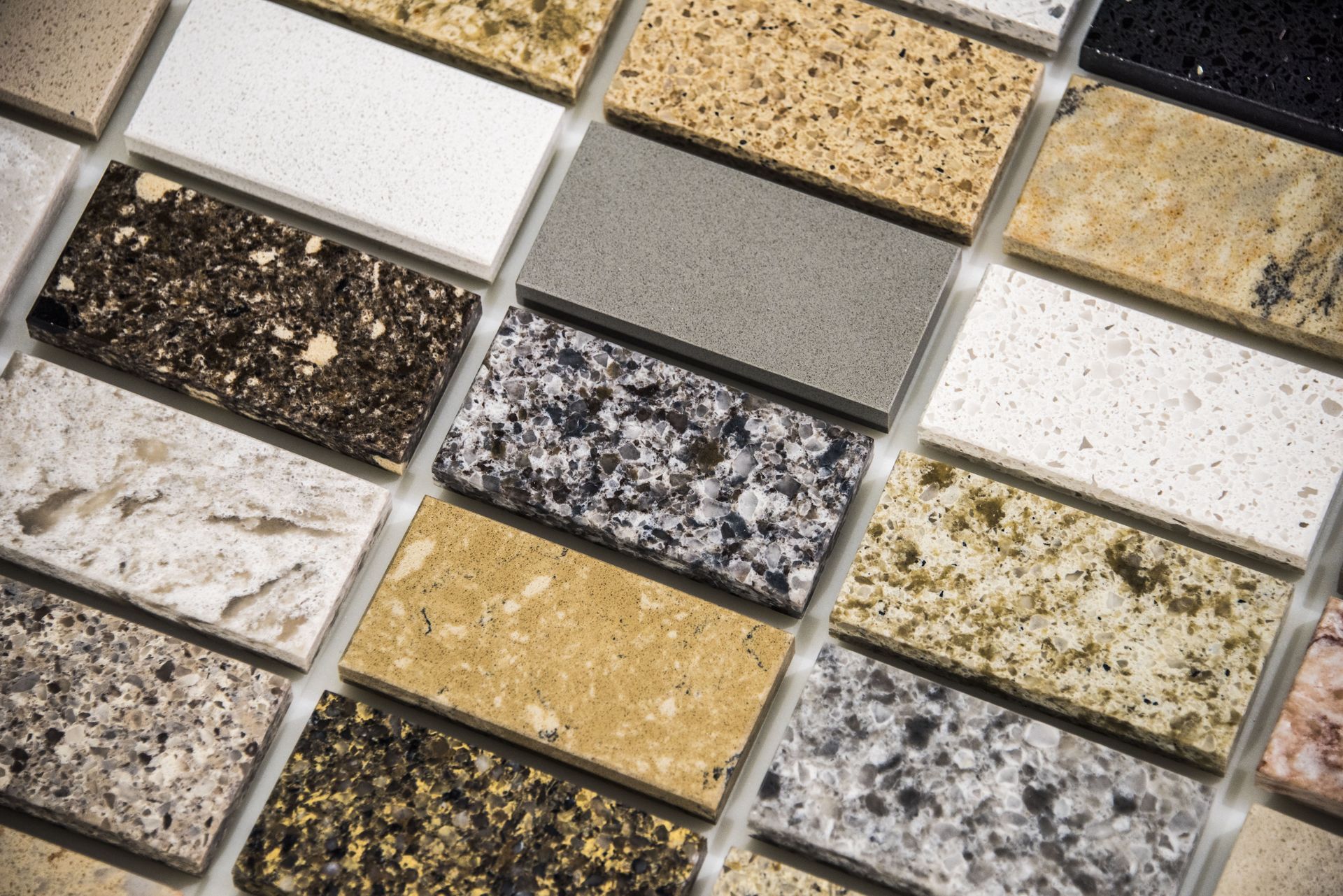
Customization has made it easier than ever to achieve a specific color vision, whether subtle or bold. This flexibility allows us to design kitchen counters that reflect individual style while maintaining balance within the overall space. Color is no longer limited to cabinetry or walls; it’s now a central design feature. When used strategically, it can transform the entire kitchen experience.
4. Integrate Technology Into Everyday Functionality
Technology is reshaping how kitchen counters function, turning them into interactive and highly efficient workspaces. Built-in charging stations are becoming a standard feature, allowing devices to stay powered without adding clutter. These integrations keep surfaces clean while supporting modern lifestyles that rely on connectivity. Smart appliance compatibility also ensures that countertops work seamlessly with advanced kitchen systems.
Lighting has become another key area of innovation, with integrated LED solutions enhancing both visibility and ambiance. These features can be customized to suit different tasks, from meal prep to entertaining. Touch-sensitive controls offer added convenience, eliminating the need for switches or additional hardware. These subtle upgrades contribute to a more streamlined and intuitive kitchen environment.
As technology continues to evolve, the role of kitchen counters will expand even further. Interactive surfaces and integrated displays are already emerging, offering new ways to access recipes or manage tasks. These features are designed to simplify daily routines while improving efficiency. Incorporating technology ensures the kitchen remains adaptable and future-ready.
5. Maximize Space With Multifunctional Features
Modern kitchens demand flexibility, and kitchen counters are increasingly designed to serve multiple purposes. Integrated storage solutions help reduce clutter by providing hidden compartments for utensils, small appliances, and other essentials. This approach keeps surfaces clear while improving organization and accessibility. It also supports a cleaner, more efficient workflow.
Expandable or adjustable surfaces offer additional workspace when needed, making them ideal for both everyday use and entertaining. Built-in seating areas allow countertops to double as casual dining spaces, creating a more social and versatile environment. These features are particularly valuable in open-concept homes where the kitchen serves multiple roles. Functionality is no longer limited to food preparation alone.
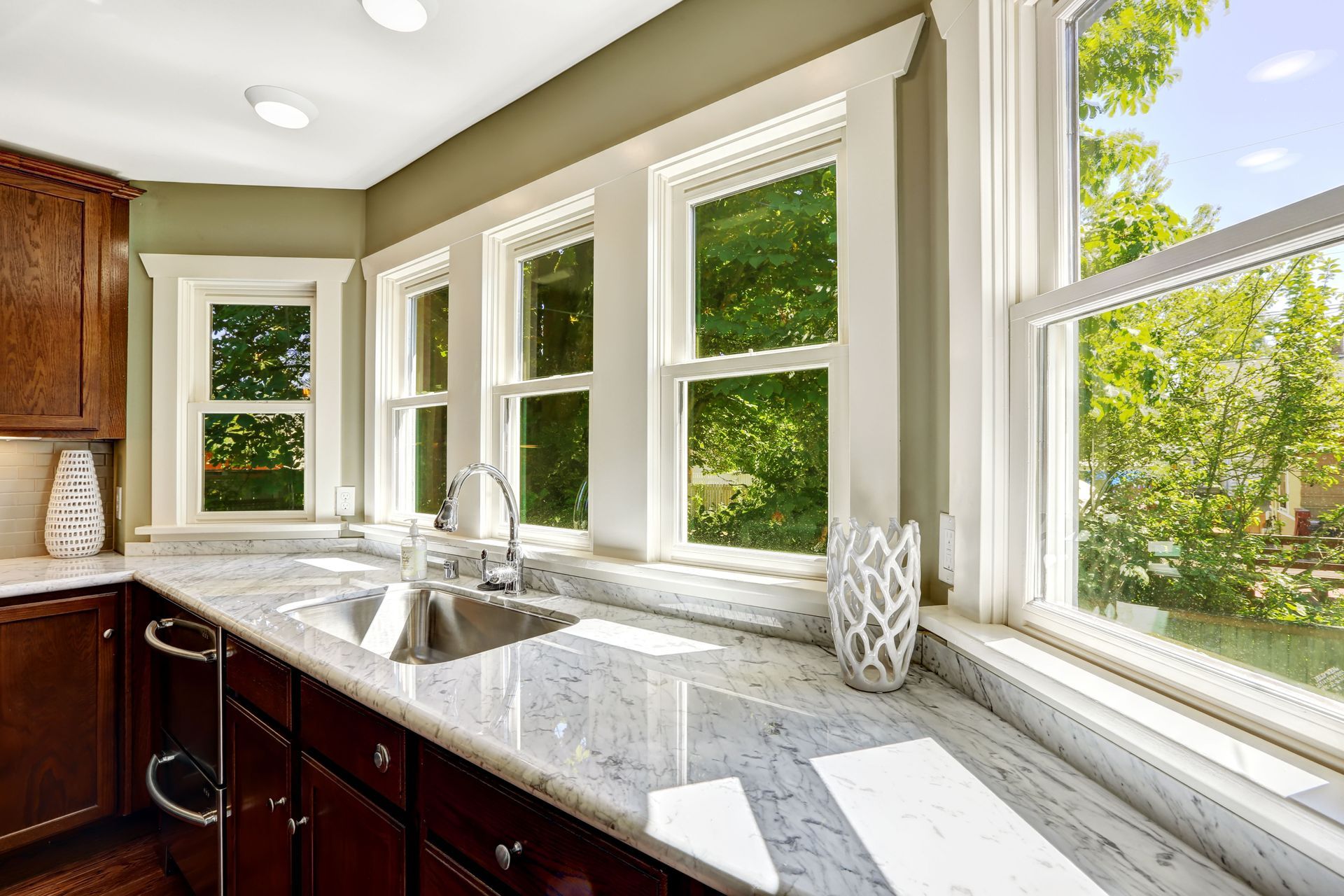
We also see growing demand for integrated elements like sinks, backsplash continuity, and even outdoor extensions that carry design themes beyond the interior. These additions enhance usability while maintaining a cohesive look across different areas of the home. Multifunctional design ensures that kitchen counters adapt to changing needs without compromising style. It’s a practical approach that maximizes both space and performance.
6. Simplify Design With Minimalist Principles
Minimalism continues to influence kitchen design, emphasizing clean lines and intentional simplicity. This approach focuses on reducing visual clutter while highlighting the quality of materials and craftsmanship. Smooth surfaces, subtle edges, and seamless transitions create a refined and cohesive appearance. The result is a kitchen that feels both modern and timeless.
Neutral color palettes are a cornerstone of minimalist design, offering a calm and versatile foundation. These tones allow other elements, such as fixtures or lighting, to stand out without overwhelming the space. Storage plays a critical role in maintaining this aesthetic, ensuring that everything has a place and surfaces remain uncluttered. This balance of form and function is central to minimalist design.
Ergonomics also plays a role in shaping these designs. According to Bob Vila, standard kitchen counters are typically 34 to 36 inches tall, while bar-height surfaces range from 40 to 43 inches. These dimensions support comfort and usability, reinforcing the importance of thoughtful planning. Minimalism is not about removing features; it’s about refining them for better performance.
The trends shaping kitchen counters today reflect a broader shift toward thoughtful, high-performing design. From sustainable materials to integrated technology, each element contributes to a space that works harder and looks better. These innovations allow homeowners to create kitchens that are not only visually appealing but also highly functional. As design continues to evolve, the possibilities for customization and improvement will only expand.
If you’re planning to upgrade your space, now is the time to explore how these trends can work together to deliver lasting value. At Precision Stone, we specialize in crafting surfaces that balance durability, style, and precision. Whether you're updating a kitchen, bathroom vanity top, or outdoor area, our team delivers solutions tailored to your vision. Contact Precision Stone today to start designing surfaces that elevate how your home looks and functions.