April 3, 2026
The kitchen is often referred to as the heart of the home, but for those who truly love to cook, it is primarily a high-performance workspace. Choosing the right surface for this environment is one of the most significant decisions a homeowner can make, as the material must withstand heat, sharp blades, and acidic spills while maintaining its aesthetic appeal. In 2026, the market offers an overwhelming array of choices, from traditional natural stones to high-tech engineered slabs. Understanding the functional differences between these materials is essential for creating a kitchen that supports your culinary ambitions rather than hindering them. By evaluating how different countertops perform under the pressures of a busy meal service, you can ensure that your investment provides both lasting beauty and professional-grade utility.
Selecting Durable Granite Surfaces
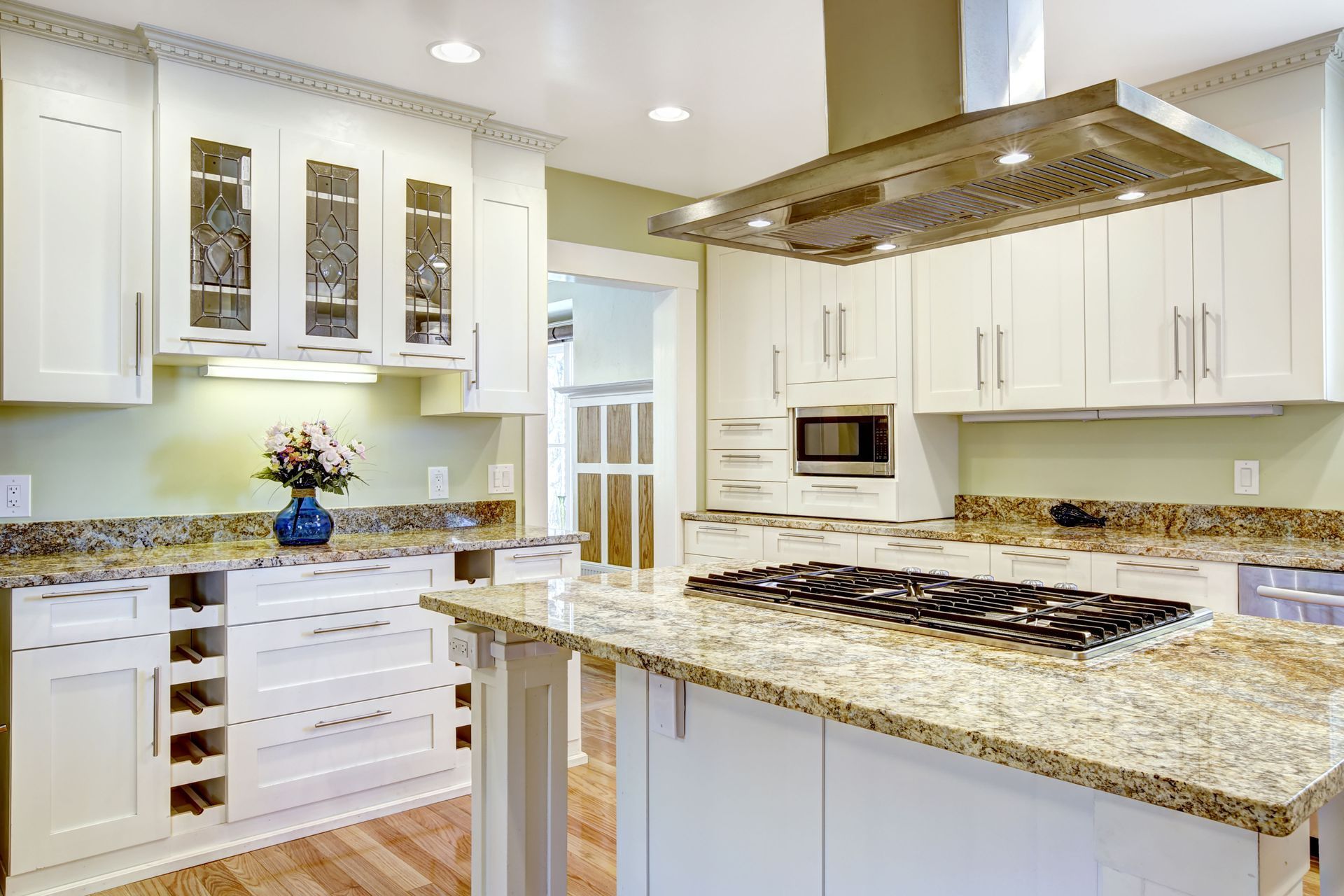
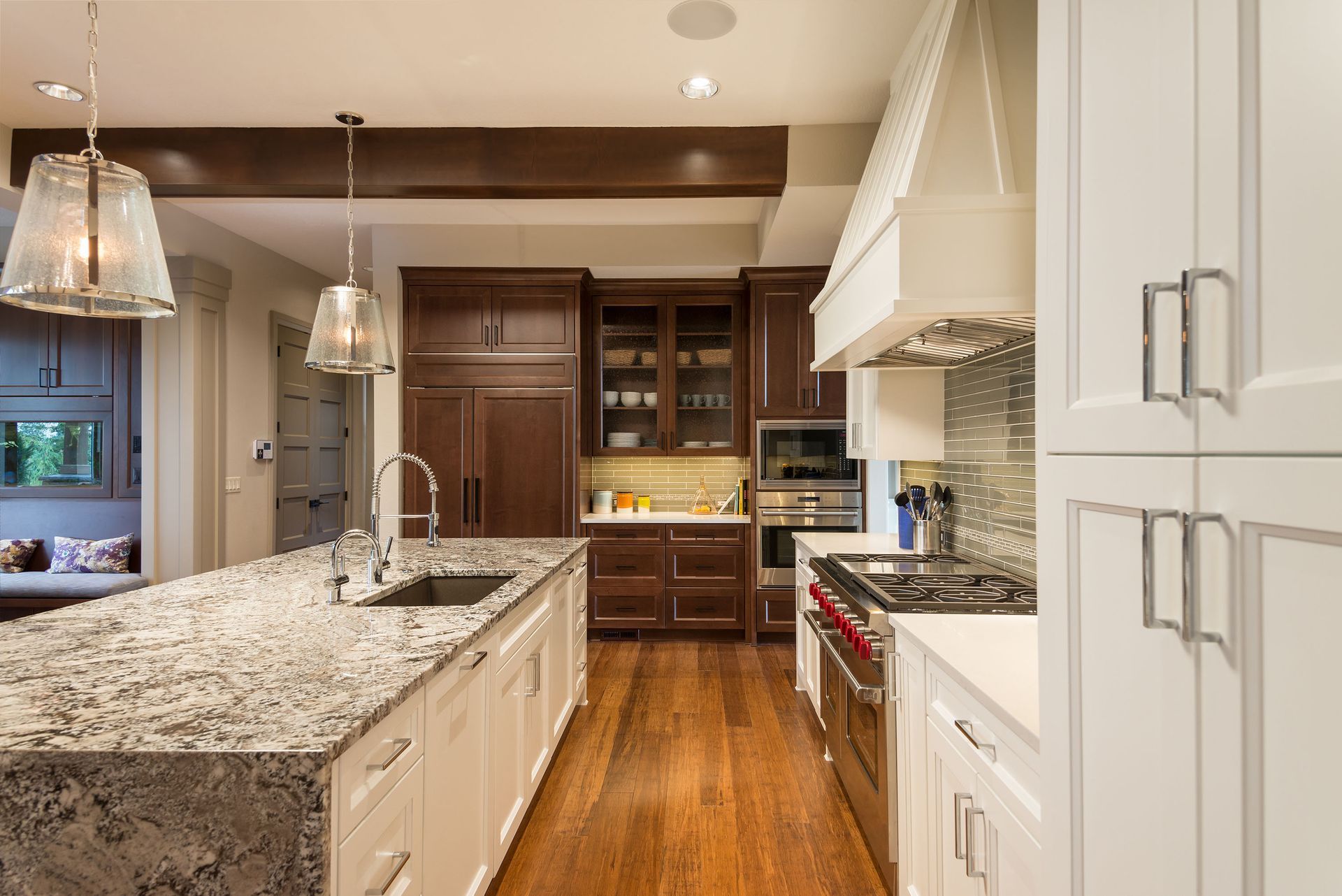
Granite has long been the gold standard for home chefs who require a rugged, reliable surface that can handle the rigors of heavy daily use. This natural volcanic rock is incredibly dense and hard, scoring high on the Mohs scale, which means it resists scratches from knives and impact from heavy cast-iron cookware. According to Market.us, in 2025, granite held a dominant market position in the Product segment of the Countertops Market, with a 32.5% share. This enduring popularity is largely due to the stone's ability to remain unscathed in environments where heat and sharp objects are constant variables.
Beyond its physical strength, granite is prized by cooks for its exceptional thermal resistance. Unlike some synthetic materials that can scorch or crack when exposed to high temperatures, these countertops allow you to move a hot baking sheet directly from the oven to the surface without immediate catastrophe. While using a trivet is always a best practice to preserve the sealant, the stone itself is virtually immune to heat damage. This characteristic provides a level of freedom and speed during the cooking process that few other materials can match, making it a perennial favorite for serious culinary enthusiasts.
Assessing Engineered Quartz Benefits
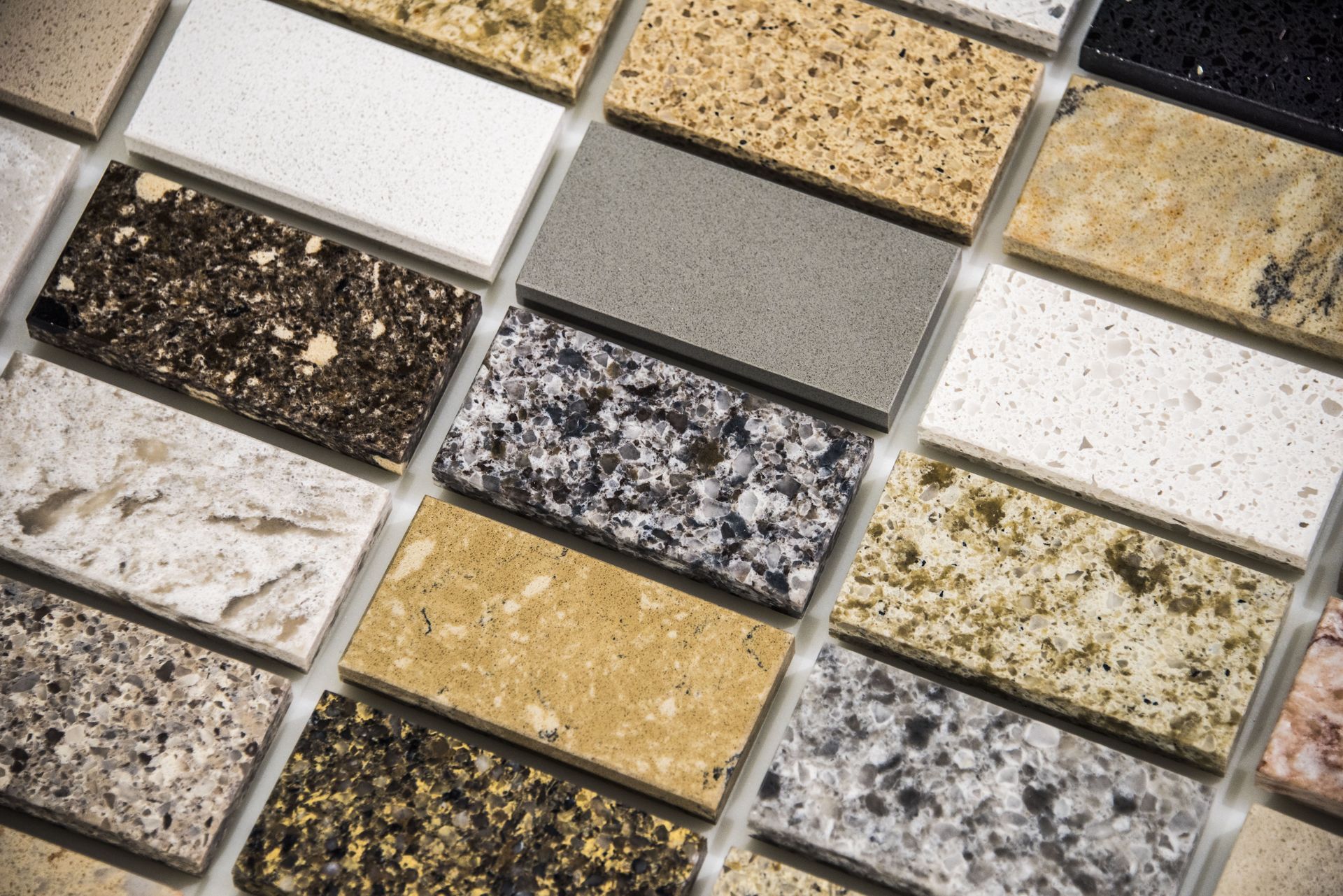
For the modern cook who prioritizes hygiene and ease of maintenance, engineered quartz has become a formidable competitor to natural stone. These surfaces are manufactured by combining crushed natural stone with specialized resins and pigments, resulting in a slab that is entirely non-porous. This means that common kitchen "villains" like red wine, lemon juice, and balsamic vinegar will not seep into the material or cause permanent staining. Because these countertops never require sealing, they offer a "set it and forget it" convenience that appeals to busy families and professional meal-preppers alike.
However, active cooks need to understand the specific limitations of quartz when it comes to temperature management. Because the binding resins used in the manufacturing process are plastic-based, they can be susceptible to thermal shock or discoloration if a boiling pot is placed directly on the surface. While these countertops are incredibly tough against chips and scratches, they require a bit more mindfulness regarding heat than their granite counterparts. For many, the trade-off is well worth it, as the antimicrobial properties of a non-porous surface provide a safer environment for handling raw proteins and rolling out delicate pastry doughs.
Evaluating Natural Quartzite Performance
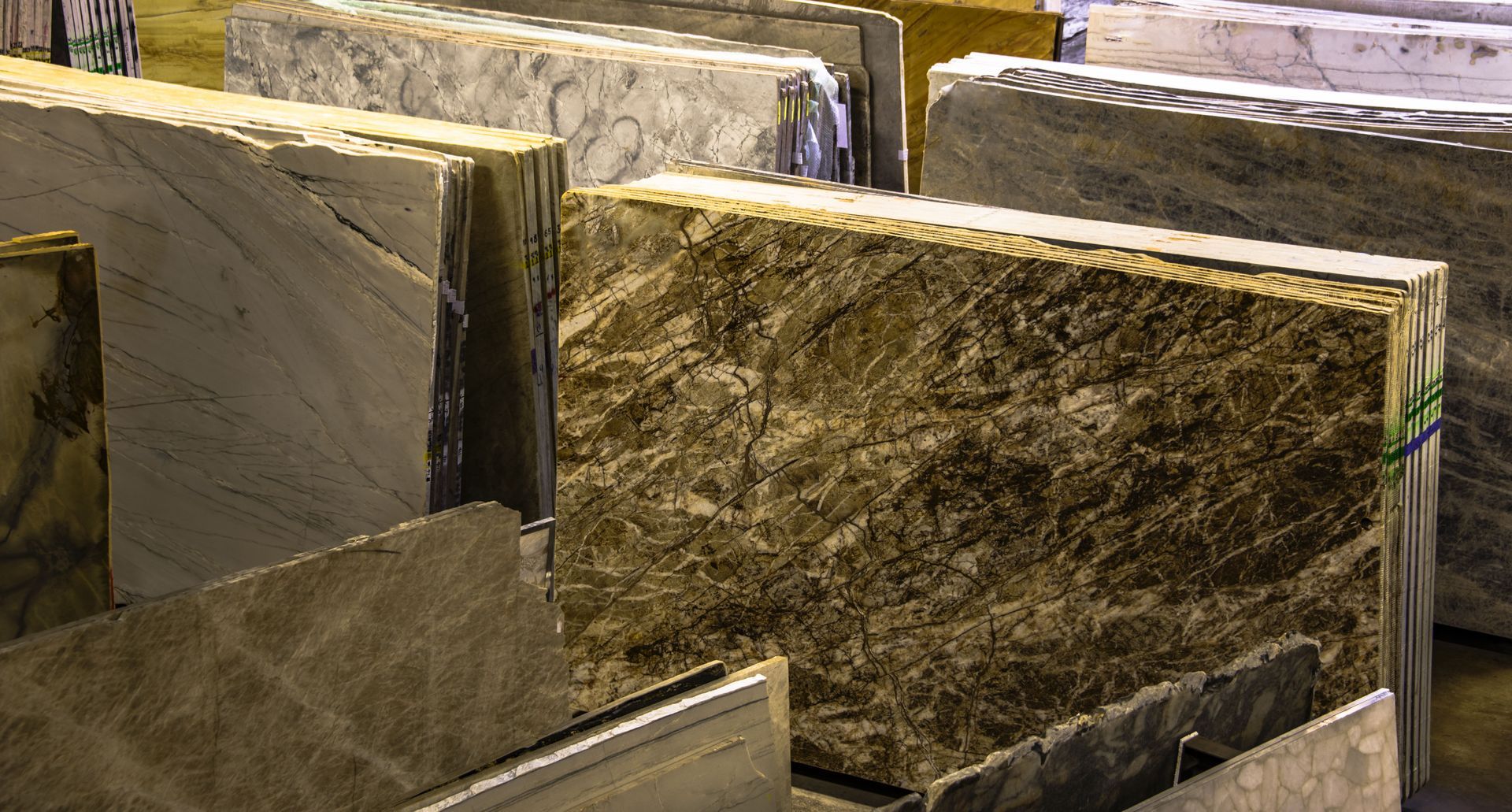
Quartzite is often the choice for those who want the sophisticated, veined look of marble but require the durability of a much harder stone. Not to be confused with engineered quartz, quartzite is a natural metamorphic rock that forms when sandstone is subjected to extreme heat and pressure. The result is a material that is actually harder than granite, making it one of the most scratch-resistant countertops available on the market today. It offers a crystalline depth and organic beauty that can serve as a stunning focal point in a high-end kitchen design.
From a functional standpoint, quartzite performs admirably in high-heat scenarios, similar to granite. It can withstand the temperatures of a busy stove area without warping or melting, which is a significant advantage for those who practice high-heat searing or wok cooking. It is important to note, however, that because it is a natural stone, it does possess some degree of porosity and requires periodic sealing to maintain its resistance to oils and acids. When properly maintained, these countertops provide a professional-grade workspace that rivals the performance of industrial kitchens while maintaining a residential elegance.
Considering Professional Stainless Steel
While stone is the most common choice for residential settings, many dedicated home chefs are turning to stainless steel for its industrial-grade performance. Stainless steel is the undisputed king of the commercial world for a reason: it is completely impervious to heat, water, and stains. You can place a flaming hot pan anywhere on the surface, and the material will remain completely unchanged. This level of durability allows for a fast-paced, "no-rules" cooking style where the chef can focus entirely on the food rather than protecting the furniture.
In addition to its heatproof nature, stainless steel is the most hygienic option for food preparation. It is entirely non-porous and easy to sanitize, leaving no place for bacteria or mold to hide in cracks or pores. While these countertops will develop a "patina" of small scratches over time, many professional cooks view this as a mark of a hardworking kitchen rather than a flaw. If your priority is a sterile, indestructible workspace that mimics the efficiency of a Michelin-starred restaurant, stainless steel is a choice that will never let you down.
Investigating Specialized Soapstone Qualities
Soapstone offers a unique set of benefits that make it particularly attractive to bakers and those who appreciate a more rustic, matte aesthetic. Unlike many other stones, soapstone is chemically inert, meaning it is completely unaffected by acids like tomato juice or vinegar that would "etch" or dull the surface of marble. It is also remarkably heat-resistant; historically, it has been used to line fireplaces and wood stoves because of its ability to absorb and distribute thermal energy. This makes it a fantastic surface for resting hot pots or even serving as a natural "warming station" for baked goods.
The feel of soapstone is also a major draw, as its high talc content gives it a smooth, soapy texture that is a delight for kneading bread or rolling out pasta. While it is a softer stone and may pick up small nicks or scratches over time, these can often be buffed out with a simple piece of sandpaper or masked with a fresh application of mineral oil. These countertops are non-porous and do not require chemical sealants, making them a very eco-friendly and food-safe choice for the health-conscious chef. For those who want a living finish that tells the story of their cooking adventures, soapstone is an excellent candidate.
Selecting the ideal surface for your culinary space is a balance of understanding your specific cooking habits and your tolerance for maintenance. Whether you prefer the timeless, heat-resistant reliability of granite, the hygienic perfection of stainless steel, or the low-maintenance beauty of engineered quartz, there is a material designed to meet your needs. A well-chosen kitchen surface does more than just look good; it becomes a partner in your cooking process, providing the stability and durability required to create your best work. Investing in high-quality materials ensures that your kitchen remains a functional, inspiring environment for years to come. To explore the finest selection of materials and find the perfect fit for your home, contact Precision Stone today.