July 31, 2026
Kitchen countertops are more than just horizontal surfaces to place objects; they are central to the operation and style of any modern home. These essential components play a multifaceted role, directly affecting workflow, aesthetics, durability, and safety. This article explores the myriad ways these installations influence the overall functionality of culinary spaces, shedding light on why making informed decisions when selecting them is crucial for any homeowner or interior designer. By examining each aspect in detail, we reveal how surfaces can transform a room into a more efficient, beautiful, and valuable asset.
The versatility of surface installations allows for a wide-ranging impact, from improving cooking processes to enhancing visual appeal and contributing to property value. Due consideration in choosing the right materials and design is pivotal, as these choices affect both day-to-day usability and long-term living conditions. Understanding these interrelated aspects can lead to strategic design and renovation decisions that offer attractive rewards. Whether you are renovating a current layout or designing a completely new space, the following sections will illuminate how your selections optimize daily operations.
1. Impact on Kitchen Workflow
The layout and material choices of kitchen countertops provide crucial spaces for food preparation, carving out dedicated zones specifically for chopping, mixing, and assembling ingredients. A well-designed preparation area facilitates seamless transitions between tasks, reducing the time spent on meal execution. The material should support daily activities, offering features like heat resistance and scratch resistance for better utility. Surfaces with integrated cutting options or seamless draining boards further enhance workspace functionality, minimizing clutter and maximizing layout efficiency. Thus, strategically planned prep stations significantly contribute to the smooth operation of daily cooking activities.
The right design can streamline food preparation by providing appropriate accessory spaces such as knife blocks, utensil rails, and easy-to-access drawers. This arrangement prevents the need for constant back-and-forth movement, which can interrupt cooking flow. Incorporating smart storage units can further improve efficiency, ensuring essential items are always within reach. Enhancing workflow through thoughtful layout design means less stress and a more enjoyable cooking experience, encouraging culinary creativity and experimentation in the home.
With improved functionality, tasks can be delegated more efficiently in a multi-cook household, creating a collaborative environment. The presence of distinct work zones allows for simultaneous activities like prepping ingredients and assembling dishes, easing congestion in busy spaces. This hierarchical organization of space allows for more dynamic use, accommodating anything from quick breakfasts to full family dinners. According to Fixr, upgrades like new flooring, updated countertops, refinished cabinets, and modern backsplashes can return up to 96% of the investment. The resulting workflow enhancements have profound effects on how frequently and how joyfully a culinary environment is utilized.
Furthermore, proper alignment and accessibility reduce instances of navigating around awkward obstacles, which is essential for reducing stress during hectic meal preparation. When food preparation surfaces are appropriately placed relative to major appliances and storage cabinets, they facilitate an effortless flow of movement and task completion. Effective design also considers the height and width of these work surfaces, ensuring they suit the residents’ specific ergonomic needs. This enables all household members to use the room comfortably and safely, maximizing spatial utility without unnecessary overlap or structural interference. By organizing tools and major preparation platforms in logical sequences, daily cooking activities become streamlined, minimizing physical strain and converting labor-intensive chores into seamless routines.
2. Contribution to Kitchen Aesthetics
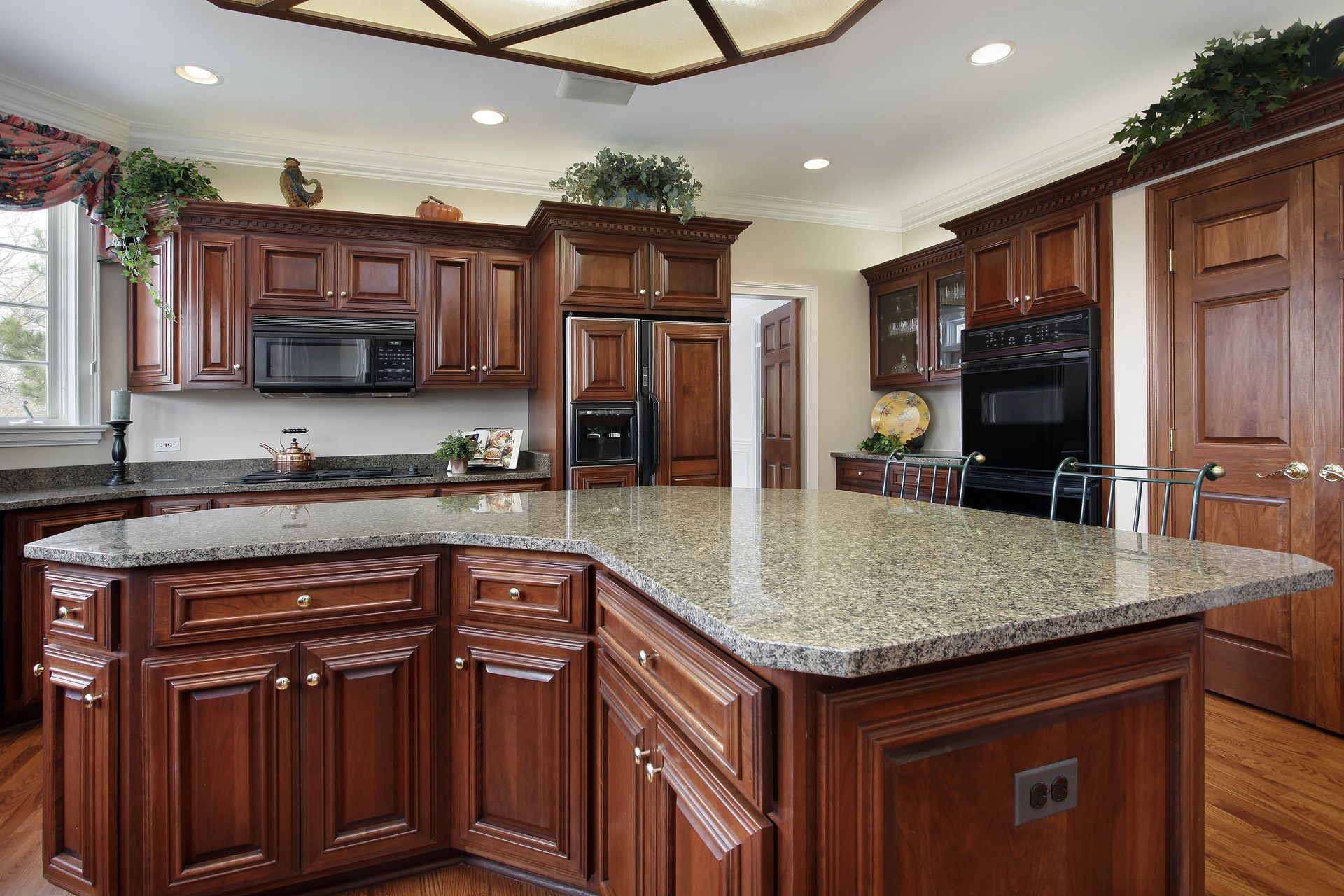
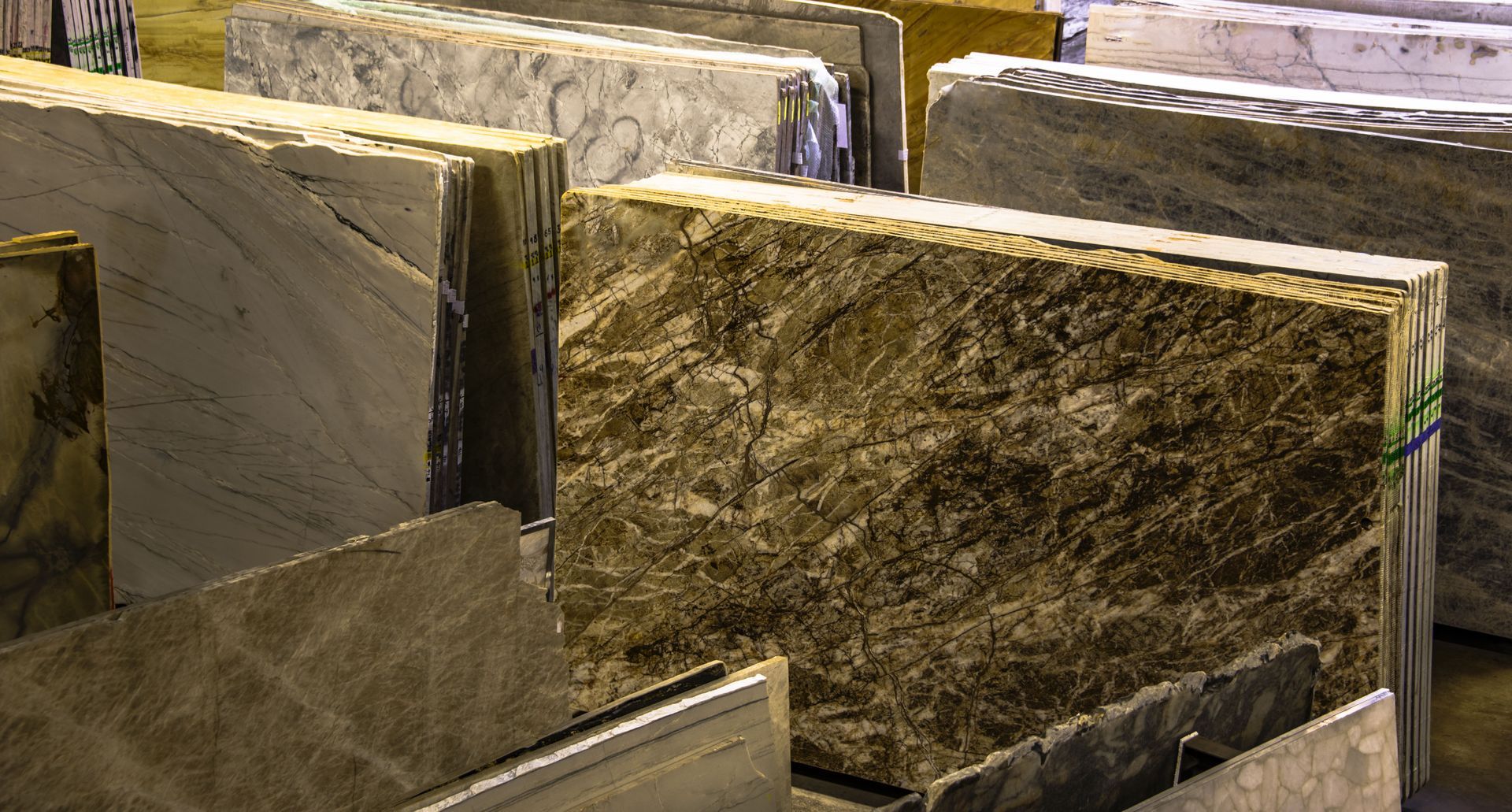
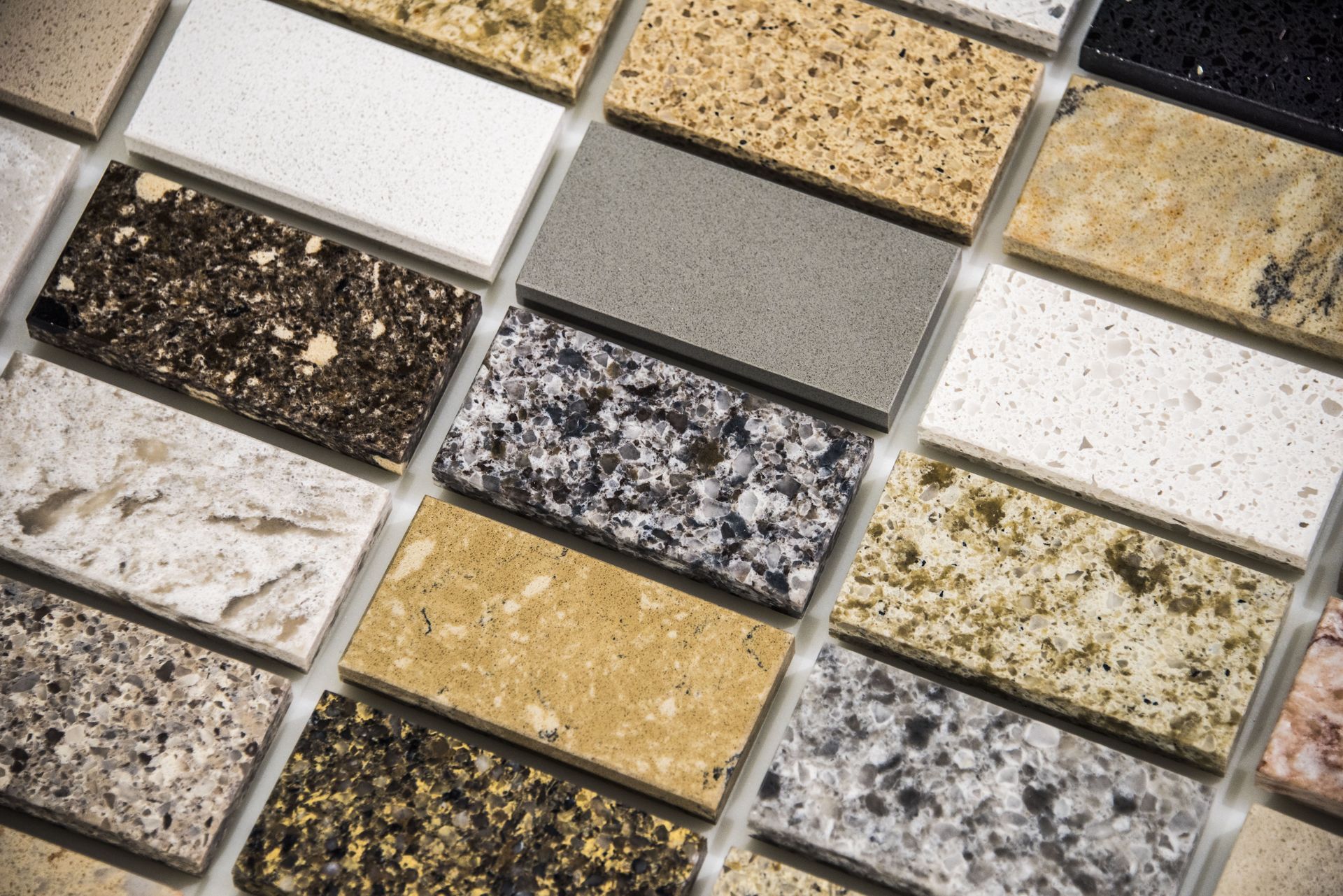
Material choices in kitchen design significantly contribute to the atmosphere, with selected countertops playing a pivotal role in defining visual appeal. From luxurious granite to sleek engineered quartz, the selected material sets the tone for the entire home. With a vast array of colors, patterns, and textures available, homeowners can choose a style that perfectly complements their personal taste and the room's overall theme. Matching surfaces to cabinetry and flooring creates a harmonious aesthetic, enhancing the visual cohesion of the environment. A well-chosen surface material acts as a true centerpiece, driving stylistic impact.
Furthermore, coordinating colors and textures across these central countertops can create a visually stunning and balanced environment, reinforcing a unified design theme. Selecting the right colors can enhance or downplay certain elements depending on the room's unique lighting conditions. A bright, vibrant surface adds visual interest and energy to a dark space, whereas neutral, understated hues create a calm, serene atmosphere. Incorporating unique textures adds depth and dimension, enhancing the sense of luxury within the space. Excellent design coordination elevates aesthetic appeal while effortlessly setting the mood and tone of the modern culinary environment.
In addition to visual weight, modern countertops serve a central role in completing and enhancing the designated theme of the room, whether it be rustic, minimalist, industrial, or traditional. The specific design and materials chosen help firmly establish the desired style, creating a fluid visual rhythm that is both functional and beautiful. For example, warm wood tones complement a farmhouse style, while polished dark stone reinforces contemporary designs. These installations can also encapsulate current design trends, reflecting broader shifts toward sustainable, eco-friendly materials or minimalist configurations. Being attuned to these evolving design currents allows homeowners to keep their living spaces both highly functional and fashion-forward for years to come.
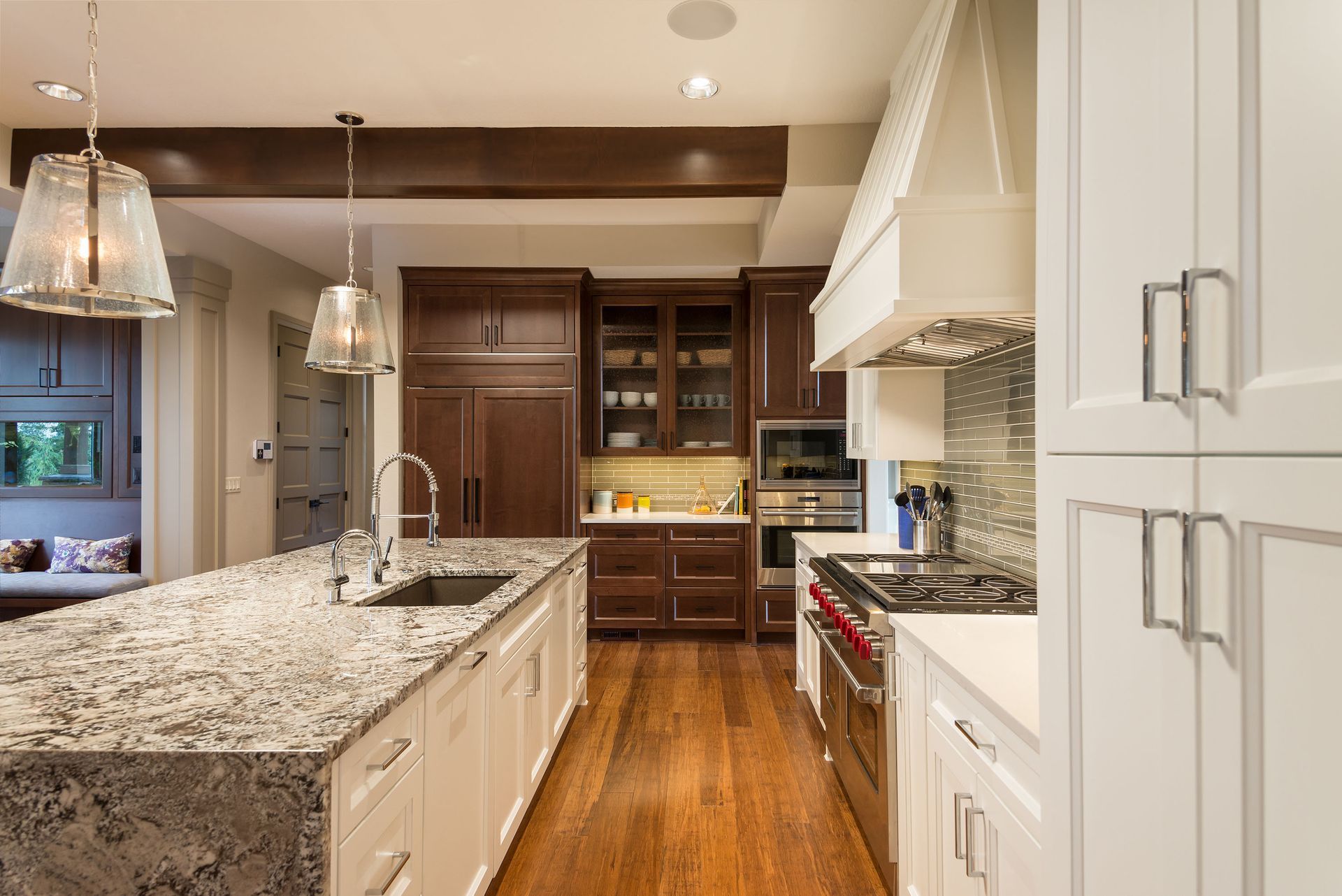
Finally, within any architectural layout, these surfaces often serve as the primary focal point, anchoring the room's aesthetic and directing the viewer's attention. A carefully crafted surface creates a striking visual centerpiece that draws immediate appreciation upon entering the room. This role is particularly crucial in open-concept homes where the cooking area integrates into broader living and entertaining zones. Features like an eye-catching waterfall edge effectively capture focus, adding luxury and sophistication to the layout. By establishing this visual emphasis, homeowners can coordinate the surrounding decor to match or complement the surface, ensuring a cohesive design story that blends utility with pure artistic expression.
3. Durability, Practical Safety, and Long-Term Value
Beyond daily workflow and immediate visual charm, the true test of a kitchen countertop lies in its resilience against everyday wear and tear. A kitchen is a high-performance environment where surfaces face intense heat, sharp knives, heavy impacts, and staining liquids. Selecting premium, non-porous materials like engineered quartz or treated granite ensures that your investment resists scratching and chemical damage over decades of continuous use. When a countertop material possesses high physical durability, it protects the underlying cabinetry from moisture leaks and preserves the baseline structural integrity of your entire kitchen layout.
Practical safety is another critical dimension heavily influenced by your choice of surface material. Non-porous surfaces prevent food particles, moisture, and dangerous bacteria from harboring beneath the surface, making daily sanitization effortless and highly effective. Materials that require minimal sealing and tolerate regular cleaning with standard soap and water promote a healthier, safer environment for meal preparation. Furthermore, incorporating rounded edges rather than sharp, 90-degree corners reduces the risk of accidental impact injuries, ensuring the space remains safe and accessible for household members of all ages.
Investing in high-quality kitchen countertops is one of the most impactful decisions a homeowner can make to improve both daily utility and visual appeal. From optimizing the efficiency of your meal preparation and streamlining workflow dynamics to creating a stunning design focal point, these surfaces form the operational backbone of the modern home. By balancing material durability with personal style, your renovation choices will deliver lasting comfort, practical safety, and exceptional long-term financial returns. Thoughtful planning ensures that your kitchen remains an inviting, highly productive environment that effortlessly adapts to your family's evolving lifestyle needs over time.
When you are ready to elevate your culinary space with premium craftsmanship and unparalleled design expertise, look no further than the industry professionals at Precision Stone to bring your vision to life.