June 3, 2026
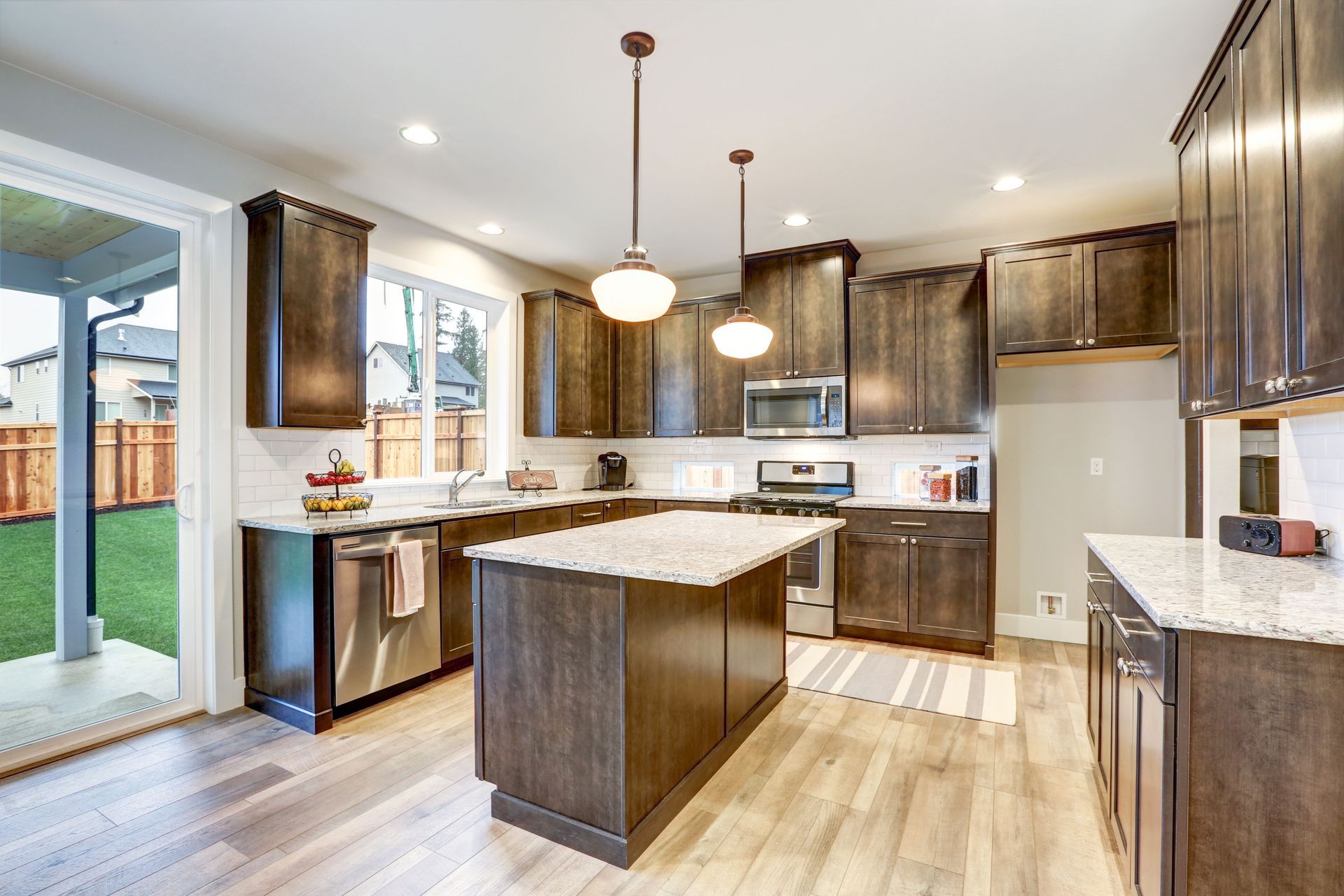
Kitchen design is heavily influenced by kitchen counters, which serve as a central feature for daily activities like cooking, cleaning, and gathering. The right materials and design choices can significantly improve both functionality and the overall look of the space, while also supporting durability and long-term value. Today, kitchen counters are viewed as an important design investment that can elevate even a simple kitchen without requiring a full renovation. Thoughtful selection also improves efficiency by supporting better workflow, easier maintenance, and a more organized layout, making the kitchen more practical and visually cohesive.
Selecting the Right Kitchen Counters for Your Space
Selecting the right materials and layout for kitchen counters begins with understanding how the space is actually used on a daily basis. Some households prioritize cooking frequency, while others focus more on entertaining or light meal prep. These habits directly influence which surface type will perform best over time. A well-matched choice improves efficiency and reduces long-term maintenance issues.
In many homes, kitchen counters also serve multiple purposes beyond food preparation, including workspace, storage extension, and informal dining. This means durability and versatility should be considered together rather than separately. For busy households, resistant surfaces that handle heat, spills, and constant use tend to deliver better long-term results. This is especially important in high-traffic kitchens where wear can accumulate quickly.
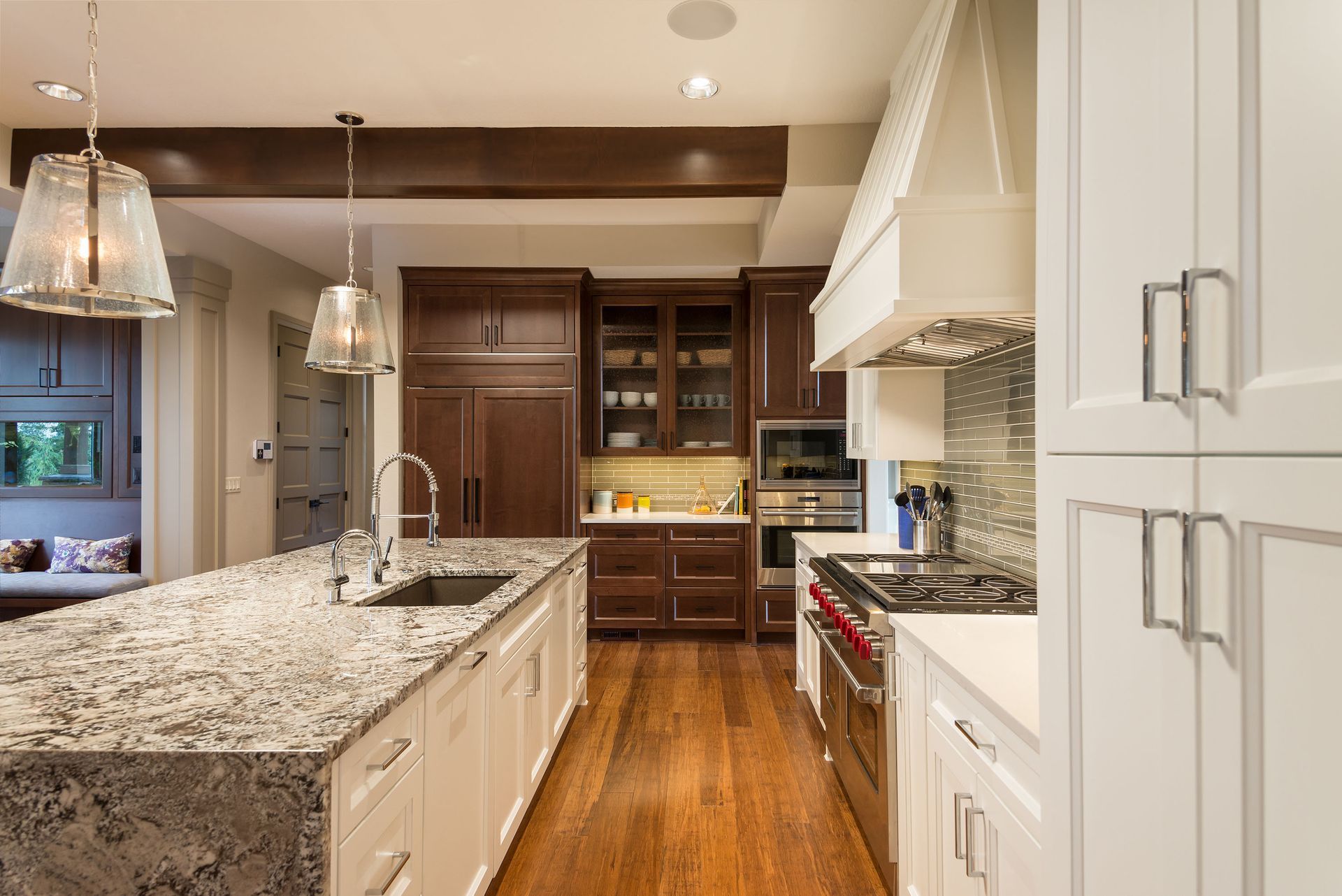
Style preferences also play a role, but they should be balanced with practicality. Neutral tones often provide flexibility for future design changes, while bold textures create a stronger visual identity. The key is ensuring that kitchen counters integrate smoothly with cabinetry, lighting, and flooring so the entire space feels cohesive rather than fragmented.
Comparing Materials for Better Kitchen Counters Performance
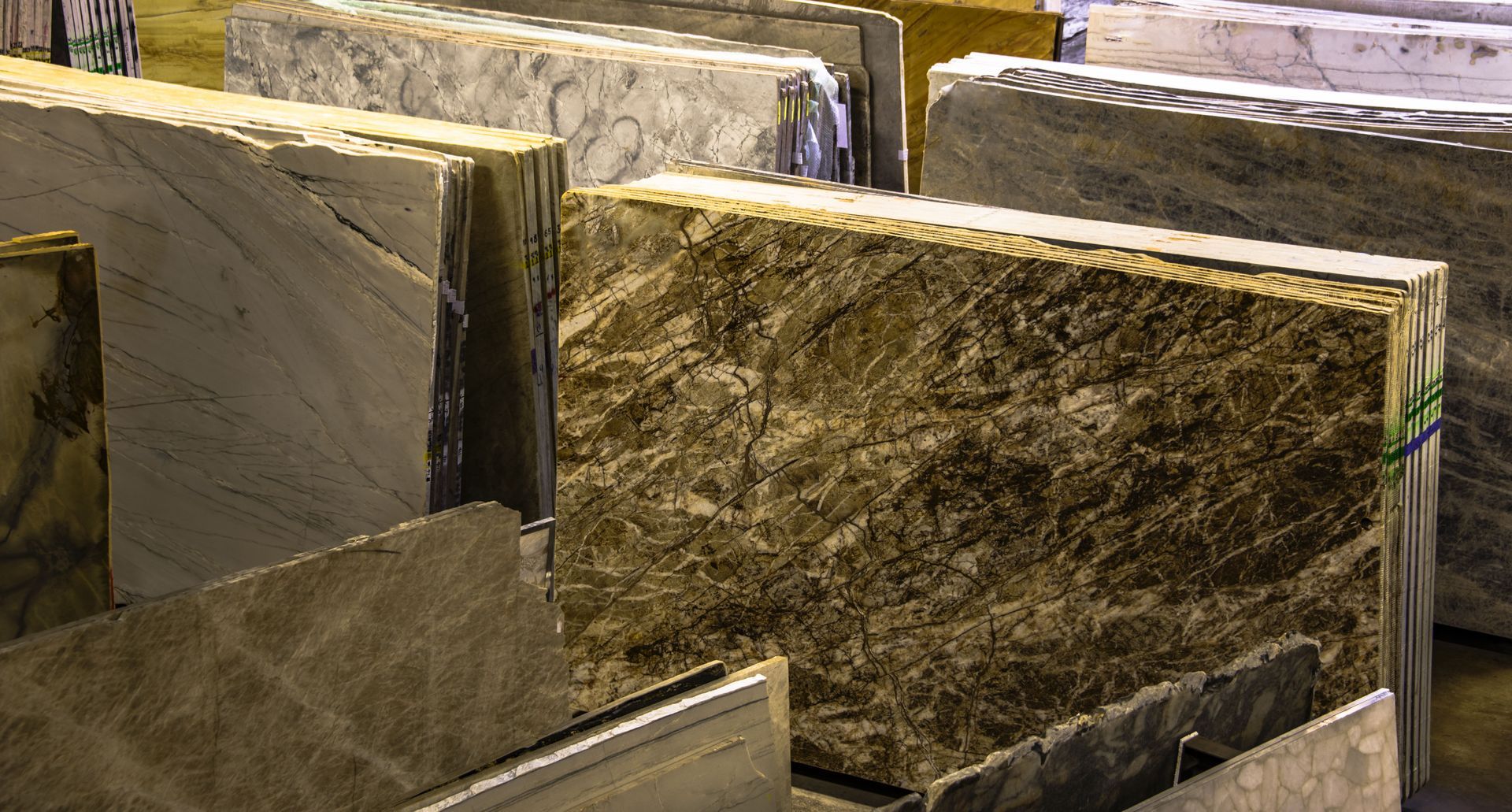
Material selection is one of the most important decisions when planning kitchen counters because it determines durability, maintenance needs, and visual impact. Natural stone, engineered surfaces, wood, and concrete each bring different strengths to the kitchen environment. The right choice depends on how much maintenance a homeowner is willing to manage and the overall design direction.
Quartz has become a leading option in recent years due to its balance of strength and convenience. According to IntelMarketResearch.com, the global quartz countertop category reached an estimated value of USD 6.83 billion in 2024, reflecting strong demand for low-maintenance engineered surfaces. Its non-porous structure makes it resistant to staining and eliminates the need for sealing, which is a major advantage for busy kitchens. This has positioned quartz as a practical alternative to traditional stone options.
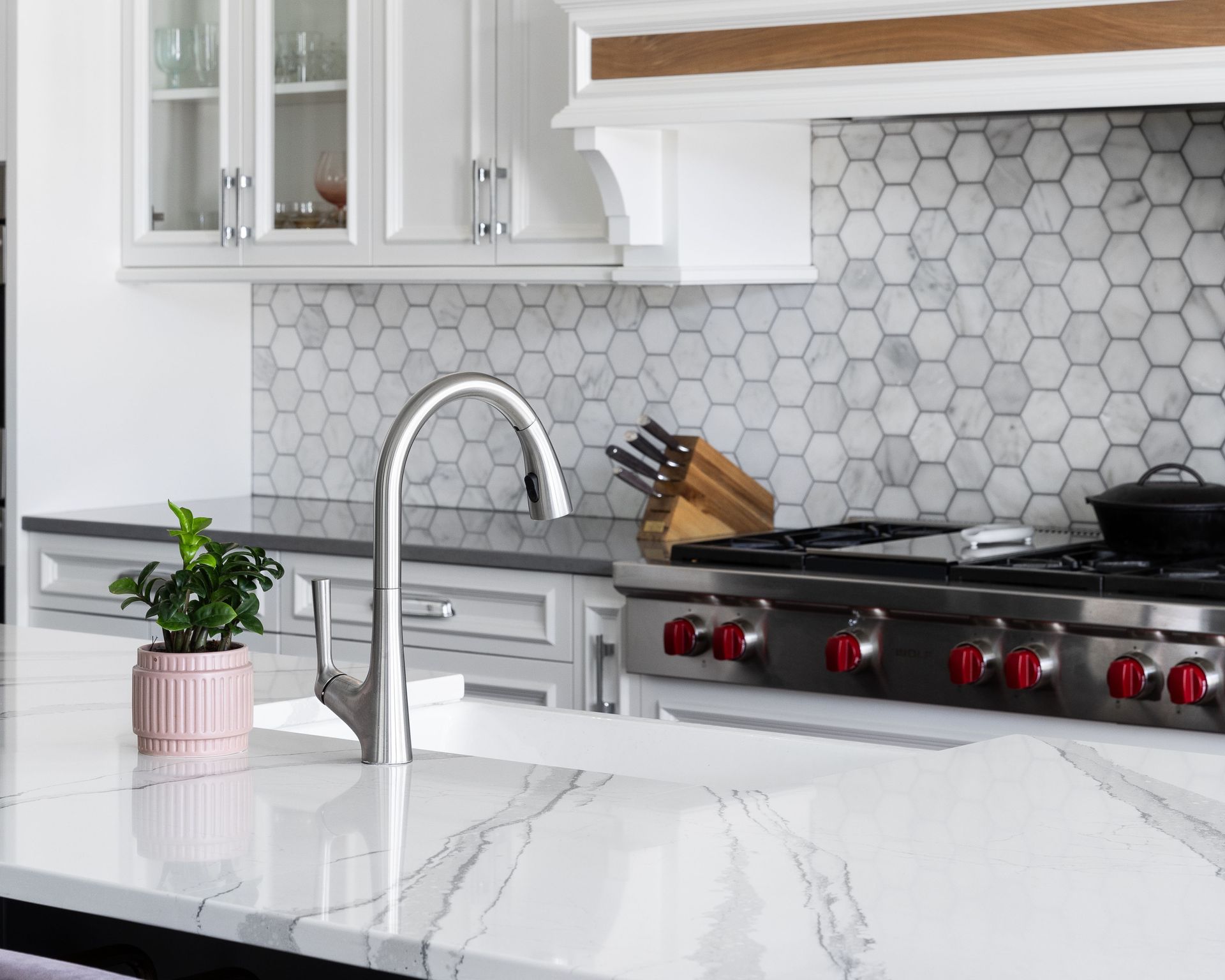
Other materials like granite and marble still remain popular for their natural variation and premium appearance. Wood surfaces bring warmth and character, while concrete offers a modern, customizable aesthetic. When comparing kitchen counters, it is important to weigh both performance and upkeep so the final selection supports long-term use rather than short-term appearance alone.
Designing Kitchen Counters with Style and Function
Designing kitchen counters requires a careful balance between visual appeal and practical function. The layout should support movement between cooking, cleaning, and storage zones without unnecessary interruption. When these elements work together, the kitchen becomes more intuitive and enjoyable to use.
Color selection also plays a major role in shaping the atmosphere of the space. Lighter surfaces can make smaller kitchens feel more open, while darker tones add depth and contrast. Texture choices further enhance this effect by introducing subtle variation that prevents the design from feeling flat or repetitive. The goal is to create a space that feels both comfortable and visually grounded.
Another important consideration is how kitchen counters interact with lighting. Natural and artificial light can significantly change how materials appear throughout the day. Reflective surfaces may brighten a space, while matte finishes create a softer, more relaxed tone. Thoughtful design ensures these elements work together rather than competing for attention.
Installing Kitchen Counters for a Seamless Finish
Proper installation is essential to ensure kitchen counters perform well over time. Even high-quality materials can underperform if measurements, leveling, or sealing are not handled correctly. Precision during installation helps prevent future issues such as cracking, uneven surfaces, or water damage.
Preparation is a key step that is often overlooked. Cabinets must be structurally sound and properly aligned before any surface is placed. Any inconsistencies at this stage can affect the stability of the entire installation. Professional installation typically ensures that these foundational details are addressed before final placement begins.
Once installed, kitchen counters should feel like a natural extension of the kitchen rather than a separate component. Seam placement, edge finishing, and surface alignment all contribute to this effect. A seamless finish not only improves appearance but also enhances long-term durability by reducing weak points where wear can begin.
Maintaining Kitchen Counters for Long-Term Value
Maintaining kitchen counters is one of the most effective ways to protect long-term investment and preserve visual appeal. Regular cleaning routines prevent buildup of stains, grease, and bacteria, which can gradually affect surface quality. Using appropriate cleaning products based on material type helps extend lifespan significantly.
Preventative care is equally important. Cutting boards, heat pads, and coasters reduce direct impact from daily use and help avoid unnecessary damage. Small habits like wiping spills immediately can make a noticeable difference over time, especially on more sensitive materials. Consistency is what ultimately preserves surface quality.
Periodic inspections also help identify early signs of wear before they become major issues. Minor scratches or dull areas can often be addressed quickly if caught early. Well-maintained kitchen counters retain both their appearance and functionality, making them a reliable part of the home for many years.
Enhancing Kitchen Counters with Modern Features
Enhancing kitchen counters with modern features allows homeowners to improve both usability and visual appeal without full replacement. Integrated sinks, built-in drainage systems, and hidden storage elements are becoming increasingly common in contemporary kitchen design. These additions streamline daily tasks and reduce clutter on the surface.
Edge profiles and finishes also contribute to a more refined look. Rounded edges create a softer aesthetic, while sharp finishes provide a more structured, modern appearance. These subtle design decisions can significantly influence how the overall kitchen feels without requiring major structural changes.
Technology integration is also expanding within kitchen counters, particularly in high-end designs. Charging stations, touch-sensitive lighting, and heat-resistant zones are being incorporated to improve convenience. These enhancements reflect a shift toward kitchens that are not only functional but also highly adaptive to modern lifestyles.
Partnering with Experts for Kitchen Counters Projects
Working with experienced professionals ensures that kitchen counters are designed and installed with precision and long-term performance in mind. Expert guidance helps homeowners avoid common mistakes related to material selection, measurement, and installation methods. This support is especially valuable for larger or more complex kitchen layouts.
Clear communication during planning stages allows design expectations to align with technical requirements. Professionals can also recommend adjustments that improve durability or functionality without compromising style. This collaborative process often results in a more refined final outcome that better suits the space.
Choosing the right team also reduces project delays and unexpected costs. Skilled installers understand how to manage timelines efficiently while maintaining quality standards. This creates a smoother overall experience from planning to completion, ensuring the kitchen counters meet both aesthetic and practical expectations.
Transforming a kitchen through thoughtful counter selection and design decisions can have a lasting impact on both daily use and overall home value. When materials, layout, and maintenance strategies work together, the space becomes more efficient, comfortable, and visually balanced. Kitchen counters play a central role in shaping this experience, influencing everything from workflow to atmosphere. With the right planning and execution, they become a long-term investment that supports both function and style. For expert guidance and installation, contact Precision Stone!